Prachin Buri residents suspect chemicals in foul-smelling black water
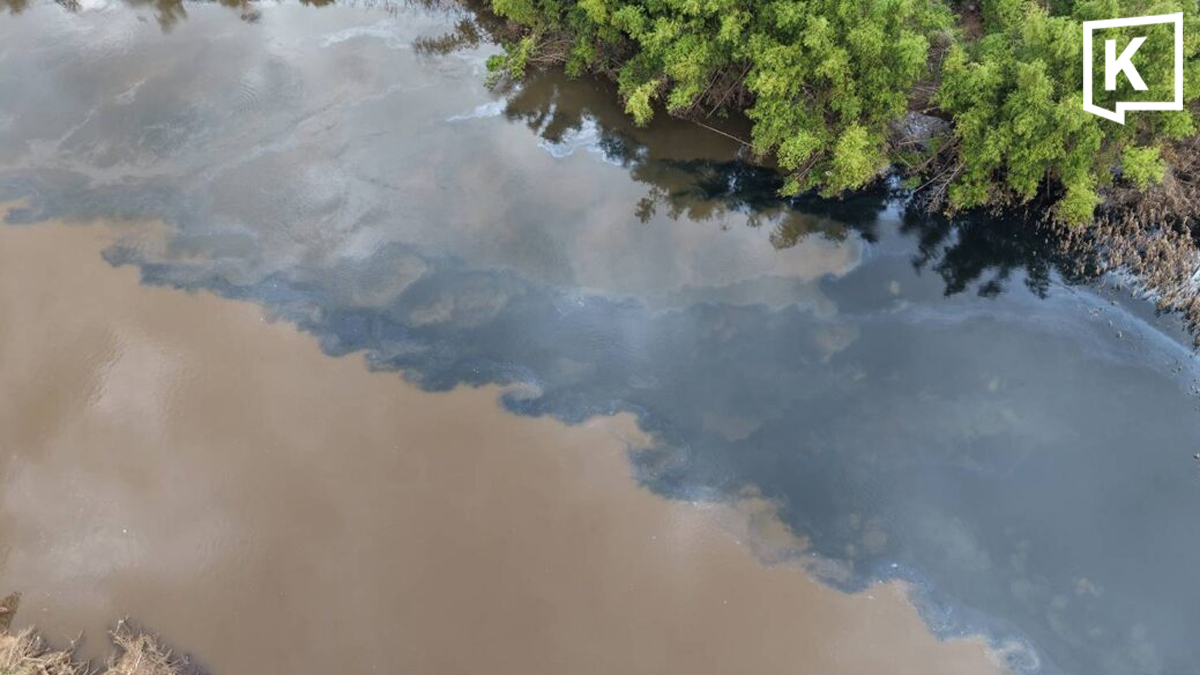
PRACHIN BURI — 20 October 2026, Residents in Prachin Buri have challenged officials’ explanation that foul-smelling black water in local waterways was caused by rotting grass, insisting that they suspect chemical contamination and calling for further testing.
The dispute follows the discovery of black water near the Phet Oem floodgate in Kabin Buri district. Dark water from rice fields in villages 3 and 8 was released through the floodgate by the Royal Irrigation Department into the Prachin Buri River, turning parts of the river a cocoa-brown to black color, according to reports.
Acting Prachin Buri Governor Chanathip Khokmanee subsequently led officials to collect water samples to check for possible contamination. Irrigation officials also closed the floodgate to prevent more black water from flowing into the river.
During a follow-up inspection on the morning of 20 October, reporters found black water still standing in a long drainage channel between rice fields near the floodgate.
Somdet Topattanakul, a local resident, said the water had risen rapidly during flooding and that the floodgate was opened to drain it after water levels began to recede. He said the black water had since flowed through the area and produced an unbearable smell.
Residents rejected the official explanation that the odor came from decaying grass, arguing that the water’s appearance and smell were unlike what they had previously experienced with rotting vegetation.
Somdet also questioned the timing of the water sampling, claiming that the floodgate had been closed before samples were collected. He suggested that sediment had settled, leaving clearer water near the surface, and called for samples to be taken again while the gate was open.
He compared the situation with a separate case in Si Maha Phot district, where testing reportedly detected chemicals in water displaying rainbow-like colors. He said the water near the Phet Oem floodgate appeared darker and smelled stronger.
Authorities have not confirmed whether the black water contains chemicals. Test results are needed to establish the cause of the discoloration and odor.
KioskNews shows a cleaned-up reading view extracted from the publisher’s page — the original always lives on their site, not ours.