The price of romance: young Malaysian men borrow to fund dates, study finds

More than one in 10 Malaysian men have borrowed money to pay for dates, while nearly six in 10 usually pick up the entire bill, a survey has found.
The findings come as rising living costs place a financial strain on romance in Malaysia, where money worries are increasingly complicating plans for marriage and starting a family.
According to the Dating Expenditure Survey in Malaysia, released on Tuesday by independent policy research firm LEGASI Research, 13.2 per cent of male respondents reported borrowing money to pay for dates, compared with 4.9 per cent of women.
Men were also more likely to feel the financial strain, with 27.5 per cent citing pressure from dating expenses, compared with 16.4 per cent of female respondents.
Almost half of all participants (49.3 per cent) said they considered dating expensive. Most reported spending between 51 ringgit (US$12.50) and 200 ringgit on an average outing.
Firdzan Nur Yassin, an economic researcher at LEGASI Research, said that even modest spending could quickly add up for couples who went out regularly.
“If someone spends 200 ringgit and goes out twice a month, that’s already 400 ringgit,” he told reporters in Kuala Lumpur. “Imagine if they go out five times a month. That’s already 1,000 ringgit.”
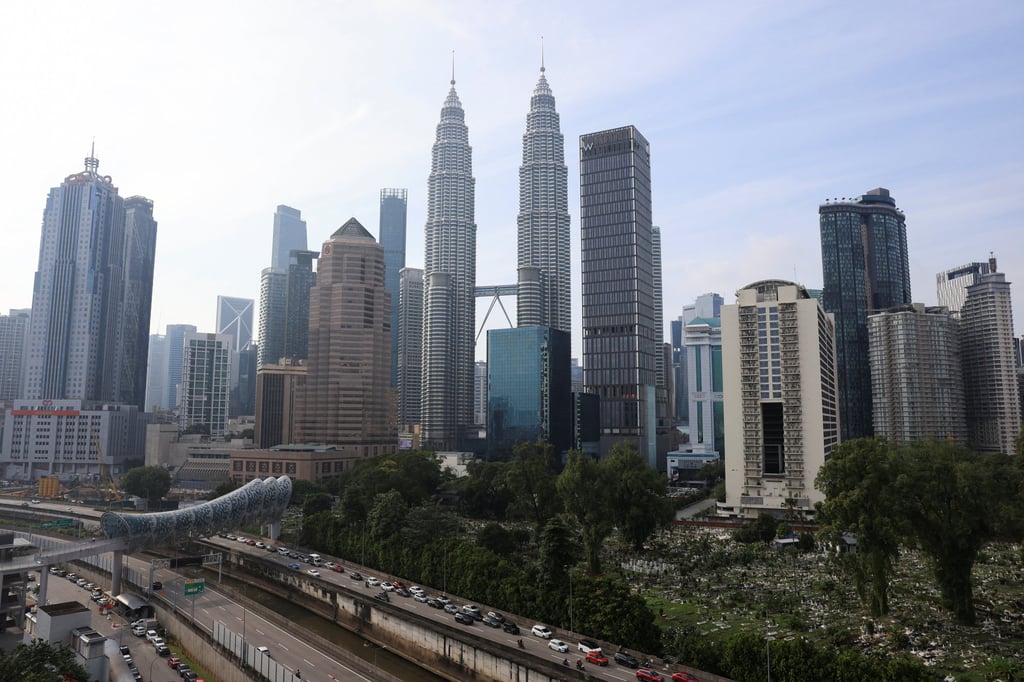
The survey was conducted online between May 20 and June 13, drawing 152 responses mainly from young adults in Kuala Lumpur and neighbouring Selangor. Researchers noted that the sample reflected urban habits rather than being a representative cross-section of Malaysia’s wider population.
While taking turns to pay the bill was the most common arrangement overall – favoured by half of the female respondents – men were far more likely to shoulder the full cost. Some 59.3 per cent of men said they usually covered the entire bill, compared with only 8.2 per cent of women.
Men were also more likely to splash out on a first date, with 59.3 per cent prepared to spend extra, against 23 per cent of women.
Food and drinks were the most common expenses, with shopping centres ranked as the top dating destination (44.1 per cent), followed by cafes and restaurants (42.8 per cent). Some 42.1 per cent of respondents went out once or twice a month.
Firdzan pointed to social media for shaping dating expectations, citing online discussions about the ‘minimum effort’ expected from men.
“In a way, social media creates an expectation for women and men,” he said. “Sometimes, these expectations are set too high,” he added, warning that unrealistic standards could lead to difficulties in relationships.
Despite the costs, 76.3 per cent of respondents – including 79.1 per cent of men and 72.1 per cent of women – said they were willing to spend more to maintain their relationships.
A separate survey of 3,005 Malaysians released this month by financial comparison site RinggitPlus found that nearly a quarter (24.3 per cent) of respondents aged 25 to 44 had delayed or decided against marriage, weddings or having their first child over the past five years because of financial constraints. Among those aged 25 to 34, that figure rose to 28.9 per cent.
According to the Department of Statistics, Malaysia’s median monthly wage stood at 2,940 ringgit (US$720) in 2025, up 5.3 per cent from the previous year.
KioskNews shows a cleaned-up reading view extracted from the publisher’s page — the original always lives on their site, not ours.