100 million views: why China’s viral AI rap track has struck a chord
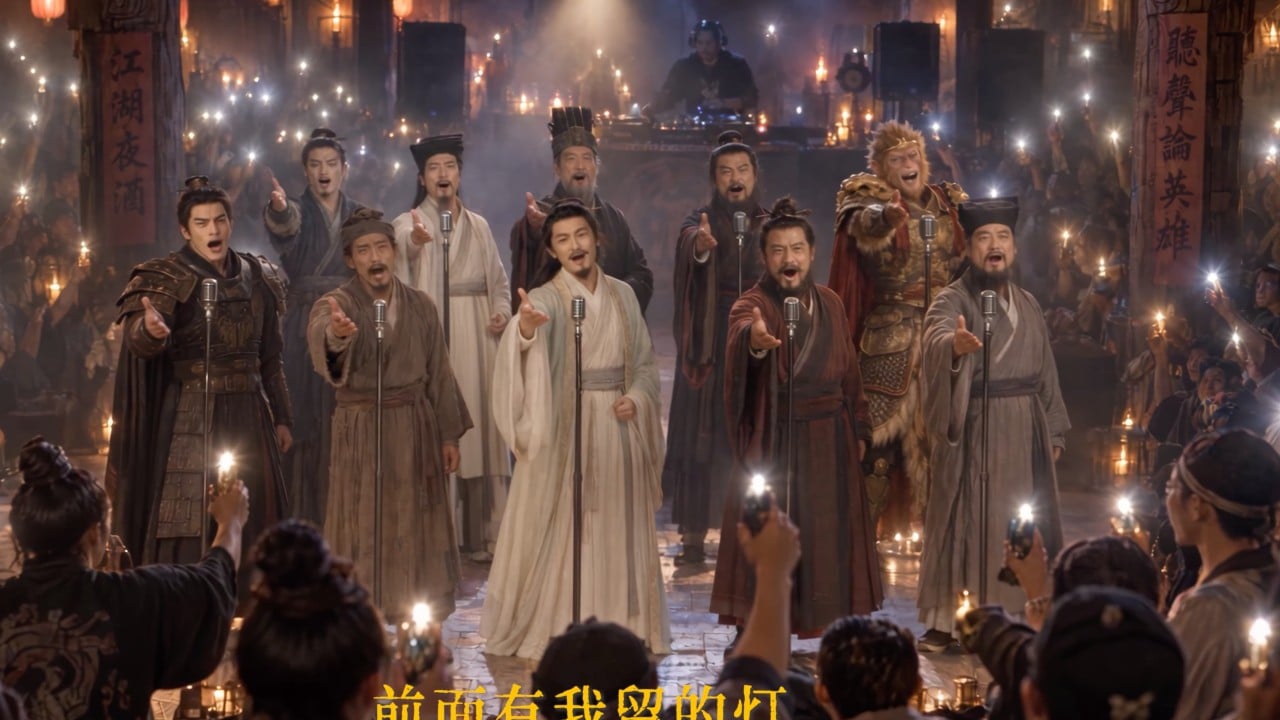
An AI-generated Chinese rap song featuring some of the country’s most well-known historical figures has taken social media by storm.
Titled “The One Who’s Been There” (Guo Lai Ren), the track crossed 100 million views across platforms in less than two weeks as it tapped into the anxieties of modern life.
The song brings together 10 iconic figures from Chinese history and mythology – from revered poets and statesmen to the legendary Monkey King. Rather than reciting classical verses or lecturing audiences, they rap about their own historical hardships to offer empathy, solace and encouragement to today’s burnt-out world.
The track opens with Du Fu, one of the Tang dynasty’s greatest poets, best known for his classic line wishing for millions of houses to shelter those in need.
In the song, Du laments still having to rent in the capital Changan in his forties, at the mercy of landlords constantly putting up the rent.
He then turns directly to the listener: “You’re going through the same thing, aren’t you?” – striking a raw nerve with a modern audience grappling with mortgages and bills.
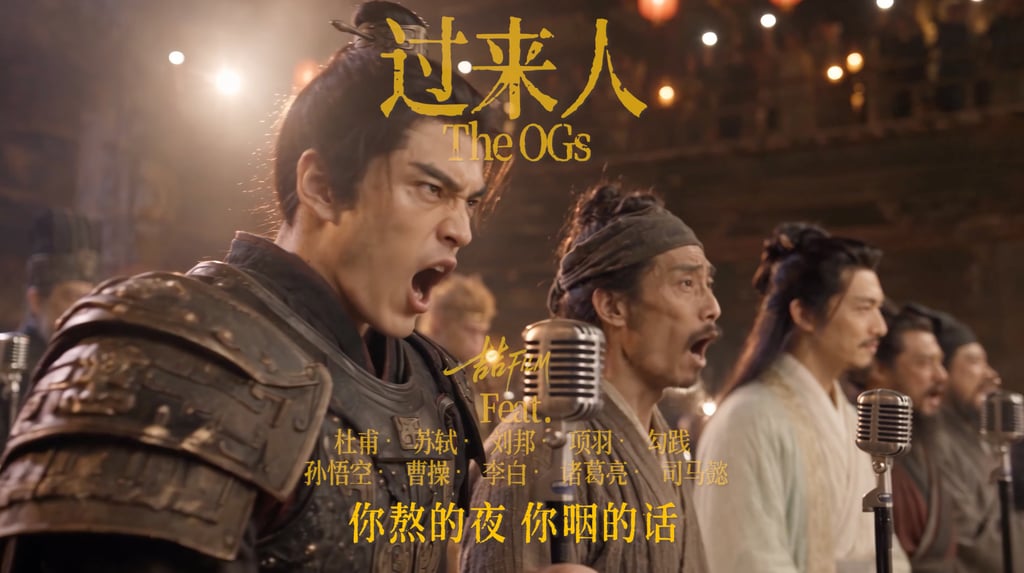
Later in the track, Song dynasty literary giant Su Shi – whose political career was derailed by repeated demotions and exile – addresses the relentless pressures of the workplace. His verses touch upon the infamous “curse of 35”, an unspoken age ceiling in China where workers over 35 face widespread hiring bias and heightened job insecurity, as well as “optimisation”, a ubiquitous corporate euphemism for lay-offs.
Behind the viral hit is Wang Kunzhe, a veteran visual creator with more than a decade of experience, who turned to AI-assisted production earlier this year.
While Wang had previously posted several videos featuring historical figures in rap battles, those earlier efforts remained largely playful and historical, never striking a chord with the audience like The One Who’s Been There.
12:38
Why turning 35 feels like a career ‘death sentence’ for some Chinese tech workers
On Douyin, China’s version of TikTok, the video had amassed more than 3 million likes and 97,000 comments by Sunday morning.
The comments section has effectively evolved into an emotional outlet, with users unburdening themselves of career setbacks, mortgage strain and the loss of loved ones, while pondering the broader purpose of life.
“This is hands down the best piece I’ve seen capturing the gritty reality of middle-aged struggle,” read one comment.
According to Chinese news outlet The Paper, Wang said producing the track took just three to four days and cost a few thousand yuan in artificial intelligence (AI) subscriptions and computing power – a fraction of the budget typically required for traditional music video shoots.
Wang laid the groundwork himself, deciding on the musical genre, structure, tempo and preliminary lyrics, while deploying AI tools to experiment with arrangements and trial-and-error iterations, Saturday’s report said.
While the rise of generative AI has sparked anxiety and disruption across the traditional film and television industry, Wang views the technology as an equalising force rather than a threat.
09:08
Why does China love AI-generated content?
He described it as a “democratisation of technology” that placed creators on the same starting line. When generating baseline-quality works becomes relatively easy, producers’ taste, judgment, and emotional nuance matter more than ever, according to Wang.
“AI can mass-produce content, but it cannot mass-produce resonance and empathy,” Wang said.
He said the song was never meant to be a catalogue of misery, but rather a reminder that hardship was universal. The core message, echoed in a recurring refrain throughout the track, is simple: “You are not alone.”
Encouraged by the reception, Wang plans to explore new musical styles and storytelling formats using AI, and hopes to one day direct an AI-generated feature-length film as the technology matures.
Efforts to produce AI-generated films are already under way, but bringing them to the big screen remains an uphill battle. On Friday, Sanxingdui: Future Past – the first Chinese AI-produced film to receive a screening permit – hit cinemas.
However, the audience response was lukewarm. The 100-minute film, which cost over 10 million yuan to make, had taken in just 914,000 yuan (US$128,000) by Sunday morning, with total box office takings only projected to reach about 2.5 million yuan.
KioskNews shows a cleaned-up reading view extracted from the publisher’s page — the original always lives on their site, not ours.