NASA observatory falls out of orbit, burns in atmosphere after 22 years of studying the cosmos
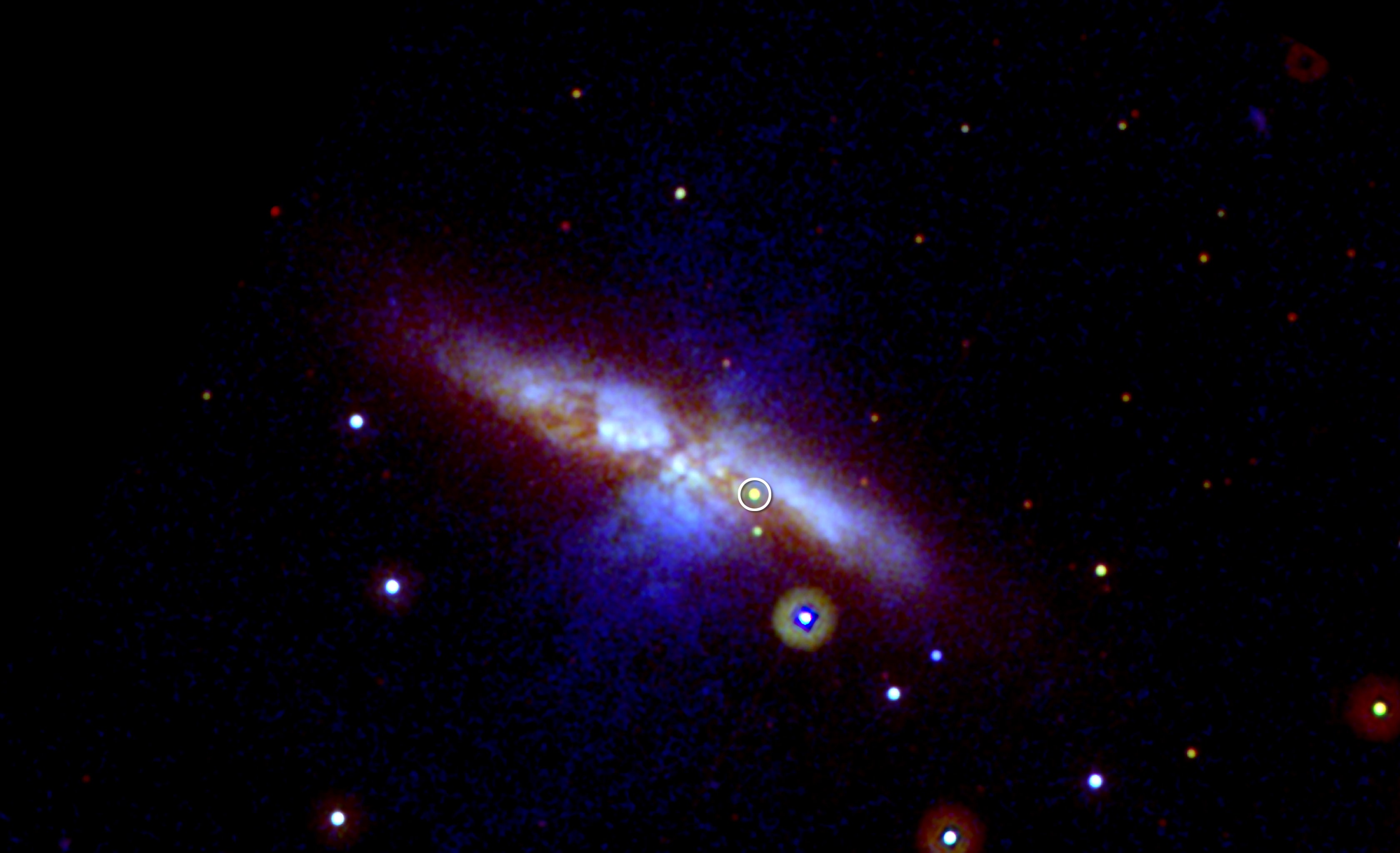
The 3,200-pound Swift aircraft most likely burned up after re-entry, although NASA said some components may have survived.
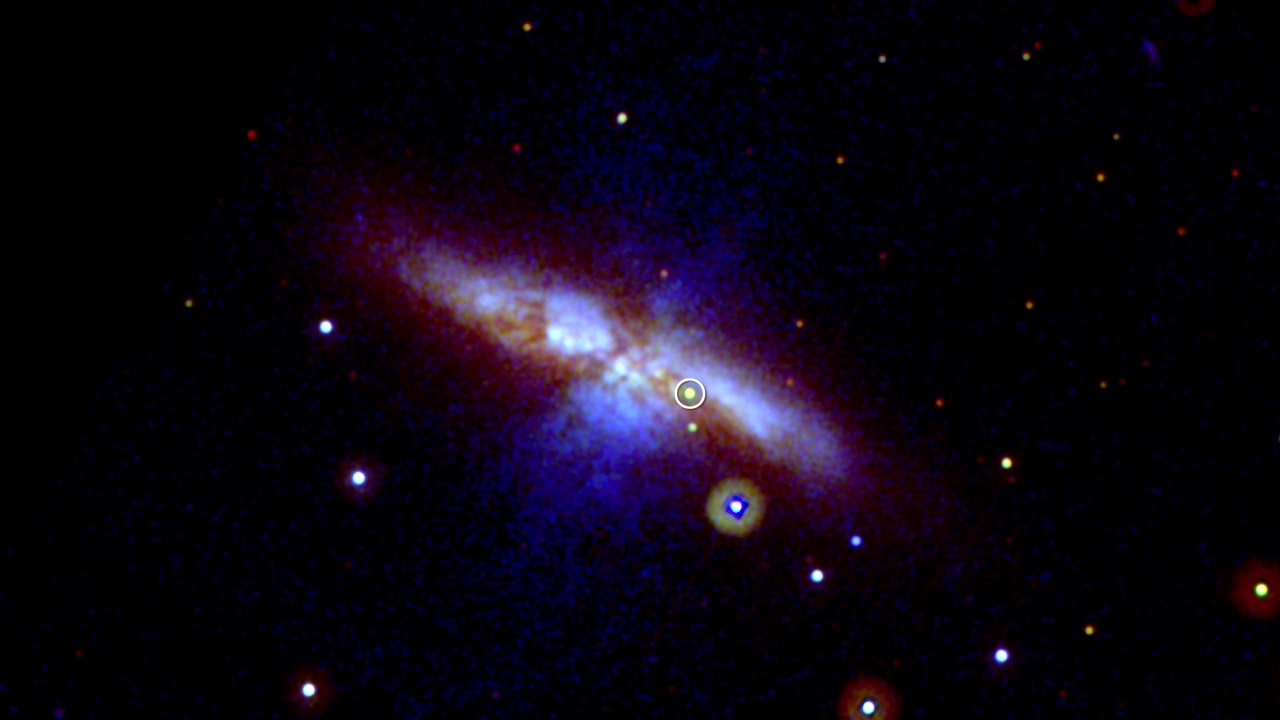
NASA's Neil Gehrels Swift Observatory re-entered Earth's atmosphere, ending 22 years of studying the most powerful explosions in the cosmos in a fiery blaze on Wednesday.
The 3,200-pound Swift aircraft most likely burned up after re-entry, although NASA said some components may have survived.
When Swift was launched in 2004, it was designed for a two-year prime mission. Since then, it has played a major role in advancing humanity's understanding of the universe, the director of the Astrophysics Division at NASA Headquarters in Washington, Shawn Domagal-Goldman, said.
Swift has observed more than 2,000 gamma-ray bursts, the purpose for which it was designed, but it also studied over 1,400 supernova explosions, witnessed black holes shred stars, monitored active galaxies, conducted an all-sky X-ray survey, studied asteroids, comets, and more.
Some 7,000 published scientific papers built off of Swift data.
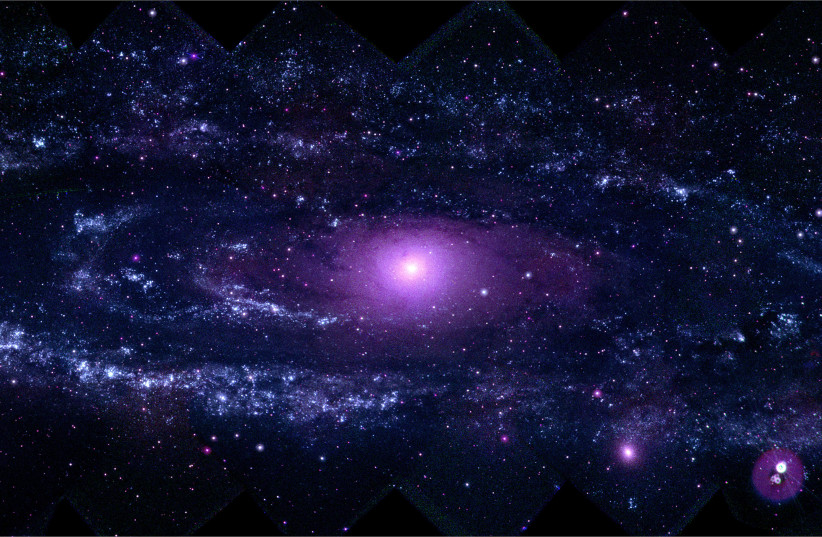
Swift captures the birth of black holes
Gamma-ray bursts, the most powerful explosions in the universe, reach their peak brightness in less than two seconds. Before Swift was launched, it had been impossible to locate the bursts rapidly and precisely enough to observe their afterglows.
“Swift was designed as a satellite dedicated to studying gamma-ray bursts, outbursts that came and went so quickly that no one could target them with large telescopes to learn more,” said S. Bradley Cenko, the mission’s principal investigator at NASA’s Goddard Space Flight Center in Greenbelt, Maryland.
“Swift needed to detect and locate gamma-ray bursts, communicate their position to other observatories, and then swing its telescopes around to image the burst locations before their afterglows faded out. This typically took Swift about a minute to do.”
Swift was able to detect and pin down the location of a short gamma-ray burst, the birth of a black hole, just months after it had launched.
In less than a minute, Swift had detected the flash, locked onto the location, and focused its onboard telescopes in less than a minute to capture the afterglow.
The observations validated the theory that the burst had been caused by the collision of neutron stars, objects with the mass of the Sun that have been crushed to the size of a city.
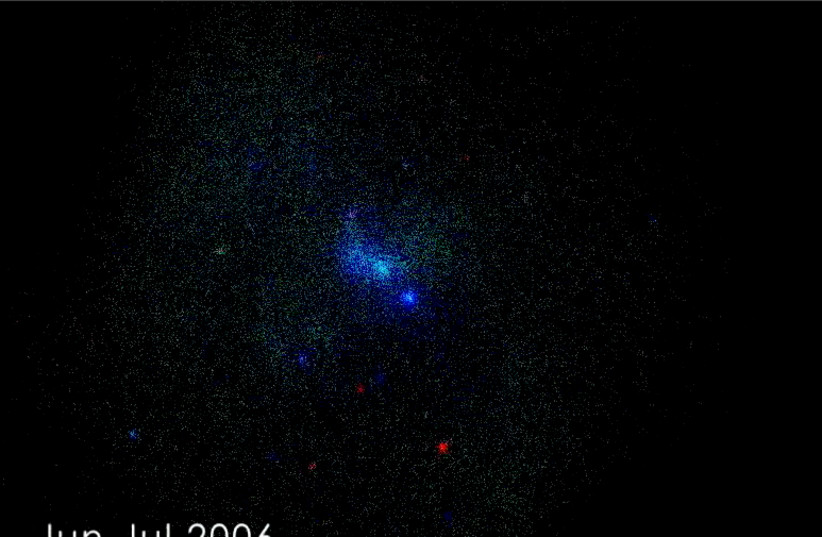
Swift observes up to 75 targets each day
Additionally, Swift's flexible planning system allowed it to be used for observation of up to 75 targets each day, with astronomers capable of requesting target-of-opportunity observations, which could have Swift observing a specific source lasting from as little as a few minutes to months.
"Swift leaves us with an extraordinary archive of multiwavelength observations that will fuel new discoveries for decades more," Domagal-Goldman said.
KioskNews shows a cleaned-up reading view extracted from the publisher’s page — the original always lives on their site, not ours.