Viva-Volaris airlines merger likely to proceed, Reuters reports
Mexico’s antitrust commission is expected to approve the unification of Volaris and Viva airlines before the end of the year, creating Mexico’s largest aviation conglomerate.
Citing six sources familiar with the case, Reuters said the National Antimonopoly Commission (CNA) will approve the planned merger between the popular low-cost carriers and the formation of a new company to be called Grupo Más Vuelos.
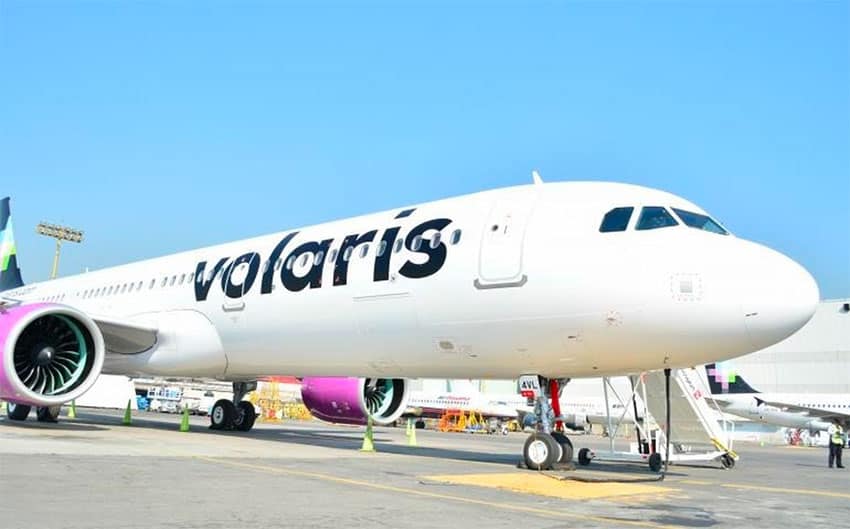
Executives from Volaris and Viva (formerly Viva Aerobus) say the self-styled “merger of equals” will respect brand identities and “strive to ensure consumers recognize the individual service models with which they have become familiar.”
The CNA will reportedly require Grupo Más Vuelos to meet specific benchmarks and consumer protection criteria — such as keeping fares low and avoiding widespread layoffs — according to three of the sources cited by Reuters.

Critics have raised regulatory concerns, such as route eliminations — the two companies currently operate 55 identical routes — and diminished market competition. They also point out that the transaction would concentrate 73% of domestic air traffic in a single company.
CNA approval is likely to come with requirements that the conglomerate maintain existing route networks and comply with a low-cost mandate that is aligned with regional budget operators.
Yucatán Magazine reported that the federal government has apparently sought to influence the vetting process, since both airlines “serve as redirection points and primary operators at the state-run Felipe Angeles International Airport on the periphery of Mexico City.”

While the merger, first announced last December and approved by international regulatory authorities last month, aims to increase low-cost air travel and connectivity, media reports suggest it is also a “defensive decision.”

Both carriers have experienced financial troubles since the COVID-19 pandemic. Volaris recorded a net loss of US $103.8 million in 2025 and reported a loss of US $127 million in this year’s second quarter. Viva accumulated US $133 million in losses during the first half of 2026).
According to the business consultancy Antitrust Intelligence, the merger aims to build a competitive advantage centered on cost reductions, fleet efficiencies and balance sheet recovery.
Despite the economic challenges the two airlines have been facing, market analysts and investors are said to view future operational synergies favorably.
With reports from Reuters, Yucatán Magazine and Mexico Business News
KioskNews shows a cleaned-up reading view extracted from the publisher’s page — the original always lives on their site, not ours.