Filipino migrants torn between safety and survival risks amid Middle East dangers
Lorelai Jacinto had worked as a domestic helper in Riyadh for two and a half years before she flew home to the Philippines on September 19, increasingly worried that the conflict in the Middle East was making it unsafe to stay.
“When the conflict with Iran happened, I started feeling like it wasn’t safe there any more because I was right there in Riyadh myself, so the bombing, the missiles, were closer to us,” Jacinto told This Week in Asia.
“I got worried, I got scared that maybe I wouldn’t be able to come home any more,” added the 29-year-old, whose six-year-old son lives in the Philippines under her parents’ care.
While Jacinto made it home, more than 2 million overseas Filipino workers (OFWs) remain across the Middle East, including at least 800,000 in Saudi Arabia, where the widening regional conflict has heightened concerns about their safety. Many face a difficult choice of whether to stay on or return home and lose the income their families depend on.
01:01
Houthi attack on Saudi airport kills 12, injures hundreds
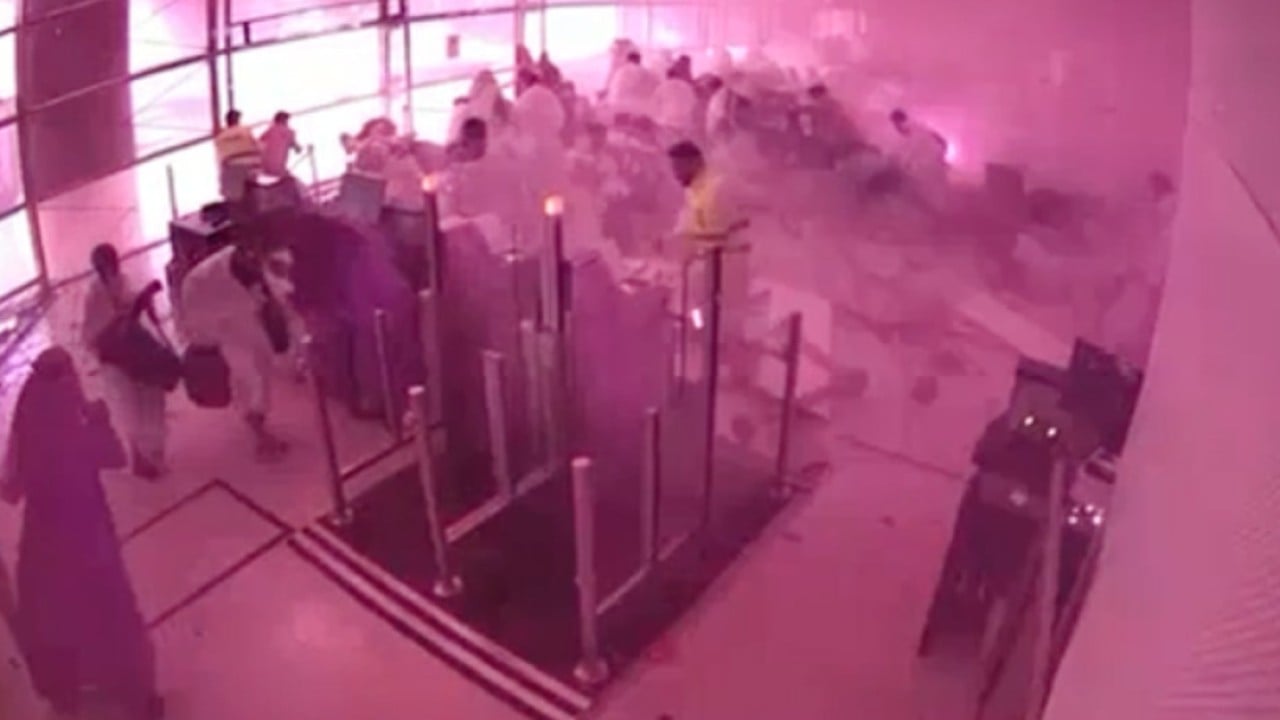
Over the weekend, double Houthi strikes hit Riyadh’s King Khalid International Airport, killing at least 13 people and injuring more than 300 in what was described as the deadliest attack in more than a decade and since the Gulf conflict broke out in February.
Seven Filipinos were among those injured in the strikes, Migrant Workers Secretary Hans Leo Cacdac confirmed on Tuesday, up from an initial report of four wounded.
One of the seven was reportedly in critical condition, two remained in intensive care, while four had been discharged from the hospital with minor injuries, Cacdac said.
Cacdac also told Philippine outlet ONE News that the Department of Migrant Workers was coordinating with the injured Filipinos’ families.
The department said in a statement that it continued to provide necessary assistance and support to the victims of the Riyadh attack and was monitoring their condition.
Risks abroad
For Jacinto, the danger she felt while working in Riyadh was amplified by the sound of explosions and the precautions she and those around her took when they heard them.
“There’s an alarm that goes off once we hear the explosions. So once we hear the alarm, we’d run downstairs. In the building where I worked, we were on the third floor, so we’d go down to the first floor. We’d all be there, including my employers. It sounded like bombs,” Jacinto said.
Stories of fellow Filipinos narrowly escaping danger continued to weigh on Jacinto’s mind despite her employer’s reassurances about worker safety.
“I have a friend who works in Al-Kharj, where the projectiles landed close to where they were. Other Filipinos I know feel the same; they’re also worried about their situation and want to come home,” Jacinto said.
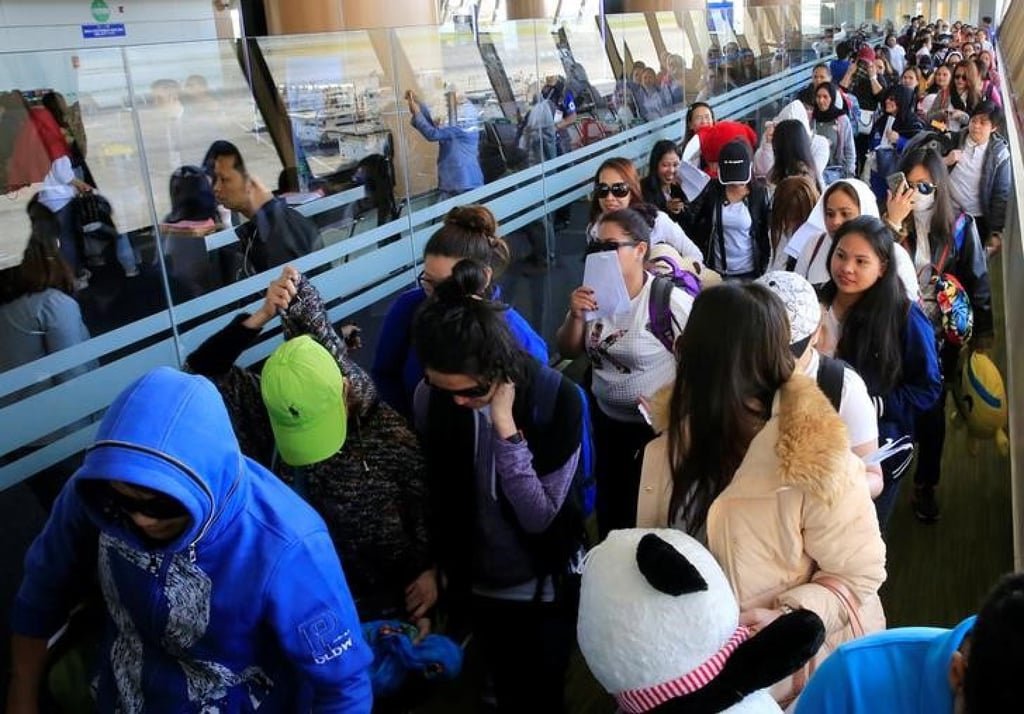
As of July, the Philippines had brought home more than 12,000 Filipinos from the Middle East this year, including migrant workers, expatriates and their dependants, while more than 140,000 workers had received assistance.
However, the number of Filipinos who returned home remained a small proportion of those who continued to work in the region.
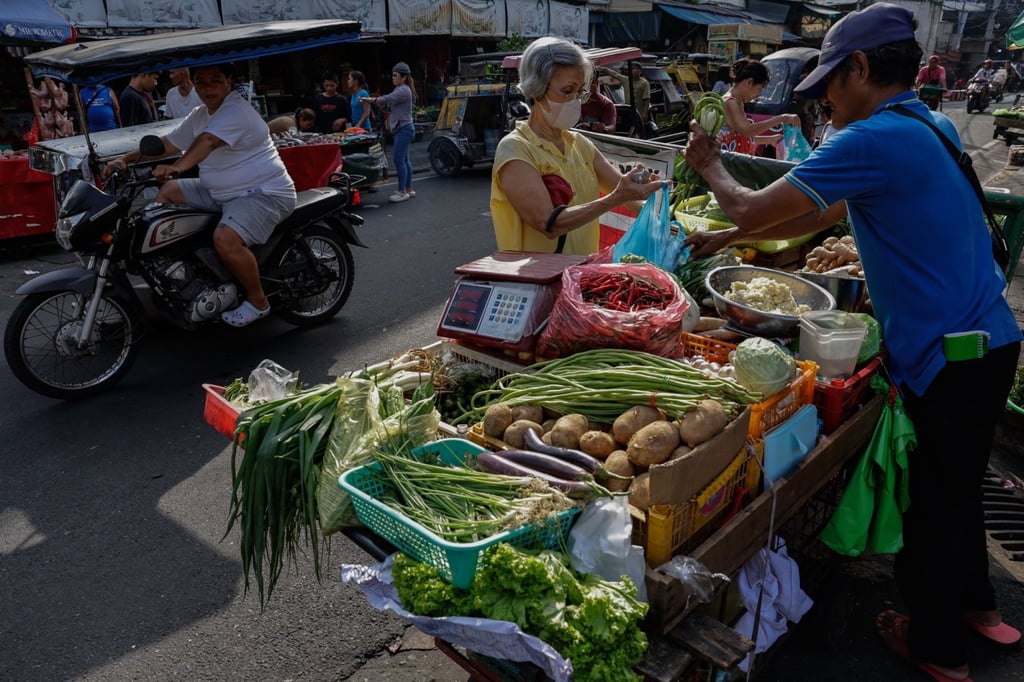
Economic difficulties remained a major factor in whether migrant workers chose to return home or risk staying abroad, Chat Dimaano, spokesman for Migrante International, told This Week in Asia.
“They know that if they go home, their family will go hungry. Many of them still have children in school – so what happens to their children’s education?” he said.
“They know everything’s getting more expensive across the board … their family keeps pressuring them to send more. So what do the OFWs do? They hold on for dear life – even amid war, it’s ‘come what may’.”
The Philippines has one of the world’s most comprehensive labour protection laws, covering pre-departure procedures, overseas assistance and repatriation, and training programmes for returning workers, according to Arnold de Vera, director of the Workers and Employees Programme at the University of the Philippines Law Centre.
However, de Vera said the country’s weakest area was providing assistance to OFWs abroad, “given the inherent difficulty of assisting OFWs in foreign countries, especially in areas affected by calamity or violence”.
He noted that the effectiveness of such assistance efforts would also be affected by the host country’s actions.
Dimaano shared similar concerns. “From experience, the government’s narrative is always ‘it’s the host country’s responsibility’, and this goes for migrant workers’ situations beyond the Middle East,” he said.
Existing help programmes such as the Aksyon Fund for distressed workers and training initiatives for returning migrants were insufficient under current conditions, Dimaano said.
“We always ask the government – what is the plan? How can they ensure OFW safety? The government only reacts once there’s a bombing or once things intensify … it’s alarming that the conflict is escalating. Now, Filipinos [have been injured],” Dimaano said.
“Immediate assistance is needed. If an OFW is in danger, how do you get them out of that situation right away? And of course, the real endpoint of all this should be jobs in the Philippines.”
Dimaano said the presence of undocumented Filipino workers further complicated efforts to protect citizens overseas. These workers “have more hope of supporting their family abroad than at home”, he lamented.
Now back home in the Philippines, Jacinto has found herself struggling to make ends meet and says she may have to seek work abroad again, despite the risks.
“I’ll look for a job again, because it’s so hard here. Here, it’s still the same situation … it’s hard to raise a child. I’ll probably just look for another country to work in,” she said.
KioskNews shows a cleaned-up reading view extracted from the publisher’s page — the original always lives on their site, not ours.