Cong MLA resigns over taluks’ exclusion from drought-hit list
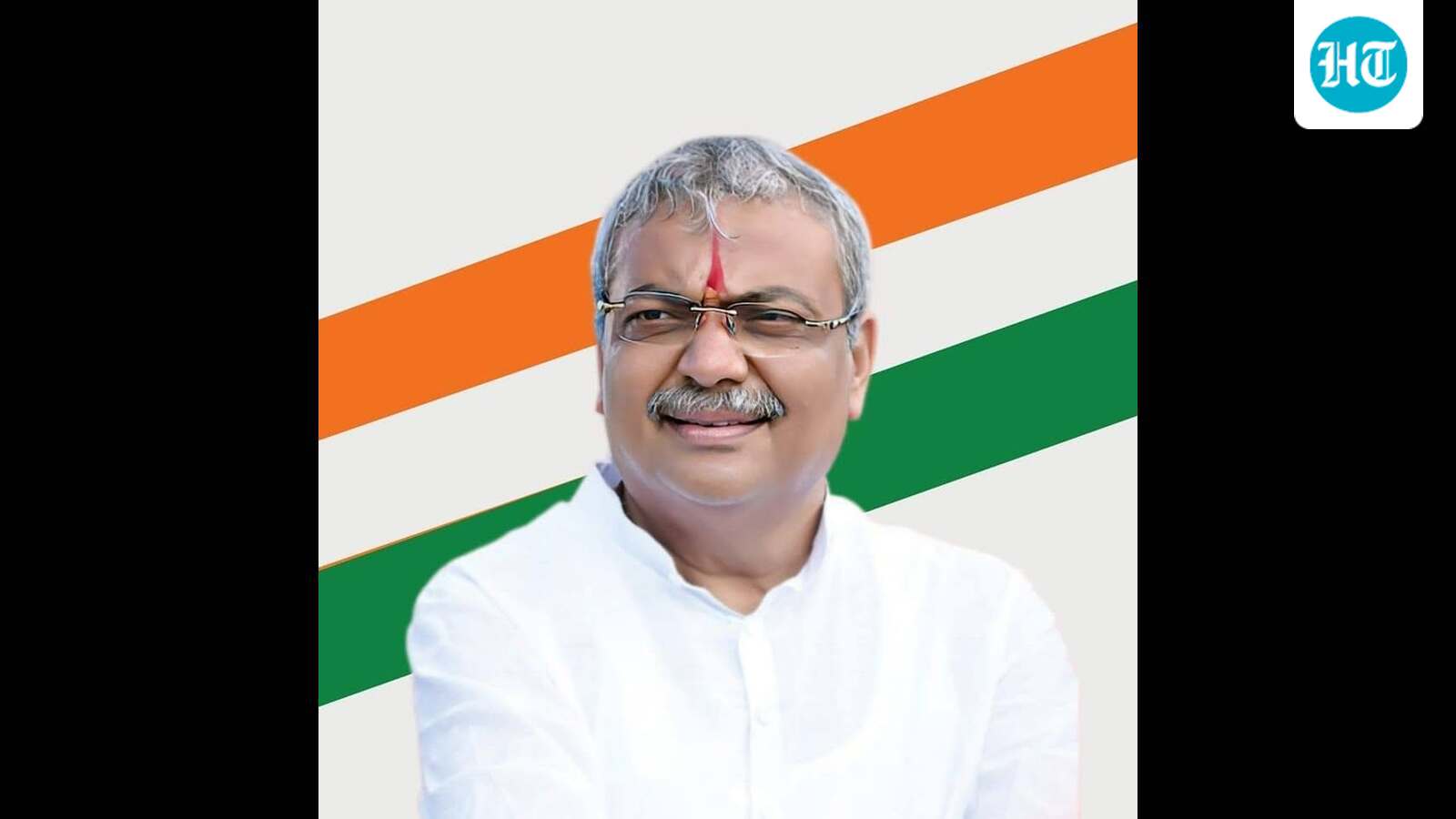
Congress MLA Yashvanta Rayagouda V Patil resigned from the Karnataka Assembly on Wednesday after the government left Indi and Chadchan taluks in his Vijayapura constituency out of the list of drought affected areas, saying he could no longer do justice to voters who had elected him.
Patil submitted his resignation to Assembly Speaker Gurupadagouda Sanganagouda Patil in Bengaluru, escalating pressure on the Congress government as the legislature discussed the state’s drought situation.
The MLA had repeatedly sought drought status for Indi and Chadchan. In a letter to chief minister D K Shivakumar on August 28, Patil pointed out that 11 of Vijayapura district’s 13 taluks had been declared drought affected, while the two taluks in his constituency had been excluded. “I am a ruling party MLA and have made several requests to our government in a sensitive manner so that it does not cause embarrassment. But our words and feelings are not being valued,” Patil wrote.
He said he had made the requests while trying to avoid putting the government in an embarrassing position, but felt his appeals were not receiving adequate attention.
Patil also raised the issue of political influence in the government’s response to demands from constituencies. “In today’s political situation, those who are strong and exert pressure are getting recognition, while people like us, who are mild-natured, are not getting recognition for any work,” he said.
In his resignation, Patil said he was unable to fulfil his responsibility towards the voters who had elected him and was therefore voluntarily stepping down as a member of the Assembly.
The resignation became an issue inside the House during a discussion on drought, with Opposition legislators displaying a copy of Patil’s resignation letter. Shivakumar responded by saying he had spoken to the MLA and that his decision was driven by pressure from farmers in his constituency.
The chief minister said farmers in several parts of Karnataka had borrowed money to cultivate their land and were now facing the consequences of the drought. “He is not resigning for any other reason. This is a resignation he has come forward to give for the lives of farmers,” Shivakumar said.
Shivakumar said Patil had been under pressure from people in his constituency and had approached the Assembly Speaker before speaking to him. The chief minister said he had met Patil, spoken to him and tried to reassure him before returning to the House.
“Patil has come emotionally, that is true. He has also come to the Speaker. You advised him to speak to the chief minister. I spoke to him, consoled him and came here. He is also under pressure. He has to answer the people of his constituency. There is nothing wrong in him becoming emotional,” Shivakumar said.
The chief minister also rejected the suggestion that Patil’s resignation was part of a broader political strategy. Referring to recent comments by senior BJP leader K S Eshwarappa about 15 legislators resigning, Shivakumar said the two situations were different.
“This is not the kind of resignation Eshwarappa spoke about, where 15 people give and take resignations. This is a resignation he has come forward to give for the lives of farmers,” Shivakumar said.
He urged legislators to remain in the Assembly and raise the concerns of their constituencies rather than resigning. “People have elected you for five years. You should remain here and work as the voice of the people,” Shivakumar said.
The chief minister also defended the government’s method of identifying drought affected areas, saying the declaration could not be made simply on the basis of demands from individual legislators. He said the process was governed by prescribed criteria, including rainfall deficiency and the number of days without rain.
“No MLA, including the Speaker, has the authority to declare his constituency a drought area simply because it is his constituency. There are guidelines for declaring drought. There should be no rainfall for 21 days and there should be a prescribed level of rainfall deficiency,” Shivakumar said.
He said several legislators had submitted requests seeking inclusion of their taluks in the drought list and that he had not personally selected which constituencies should be included.
The government has been expanding the drought list as assessments continue.
Deputy chief minister and revenue minister G Parameshwara told the Legislative Council on Tuesday that the number of drought affected taluks would reach 177 and could rise to around 200.
The state initially declared 101 taluks drought affected. Another 23 were subsequently added, while 53 more were to be included, taking the number to 177.
Parameshwara said the drought was affecting agriculture and farmers across the state, rather than being confined to a limited number of areas.
Karnataka had received 642 mm of rainfall between June and September against a normal 852 mm, he said. The overall rainfall deficit was 36%, with a deficit of 46% in south interior Karnataka, 44% in north interior Karnataka, 38% in Malnad and 28% in the coastal region.
“We are following the rules framed by the Union government for drought assessment. We will not step back from our responsibility. We will continue assessing the situation and ensuring that relief reaches farmers,” Parameshwara said.
KioskNews shows a cleaned-up reading view extracted from the publisher’s page — the original always lives on their site, not ours.