Trump: US launched ‘minor’ strikes on Iran targeting ‘a little bit of an anti-aircraft device’
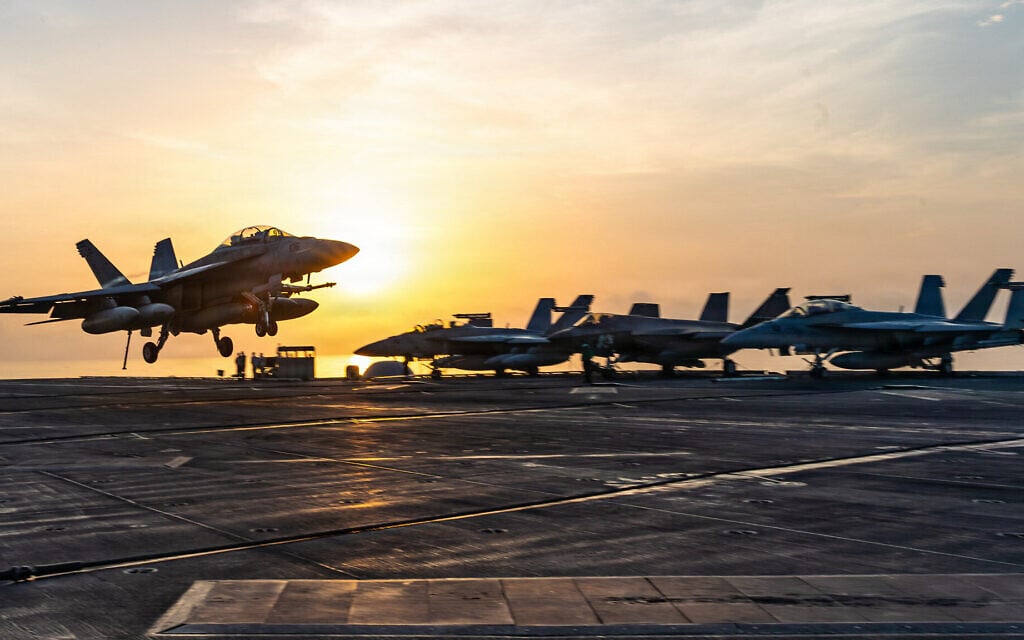
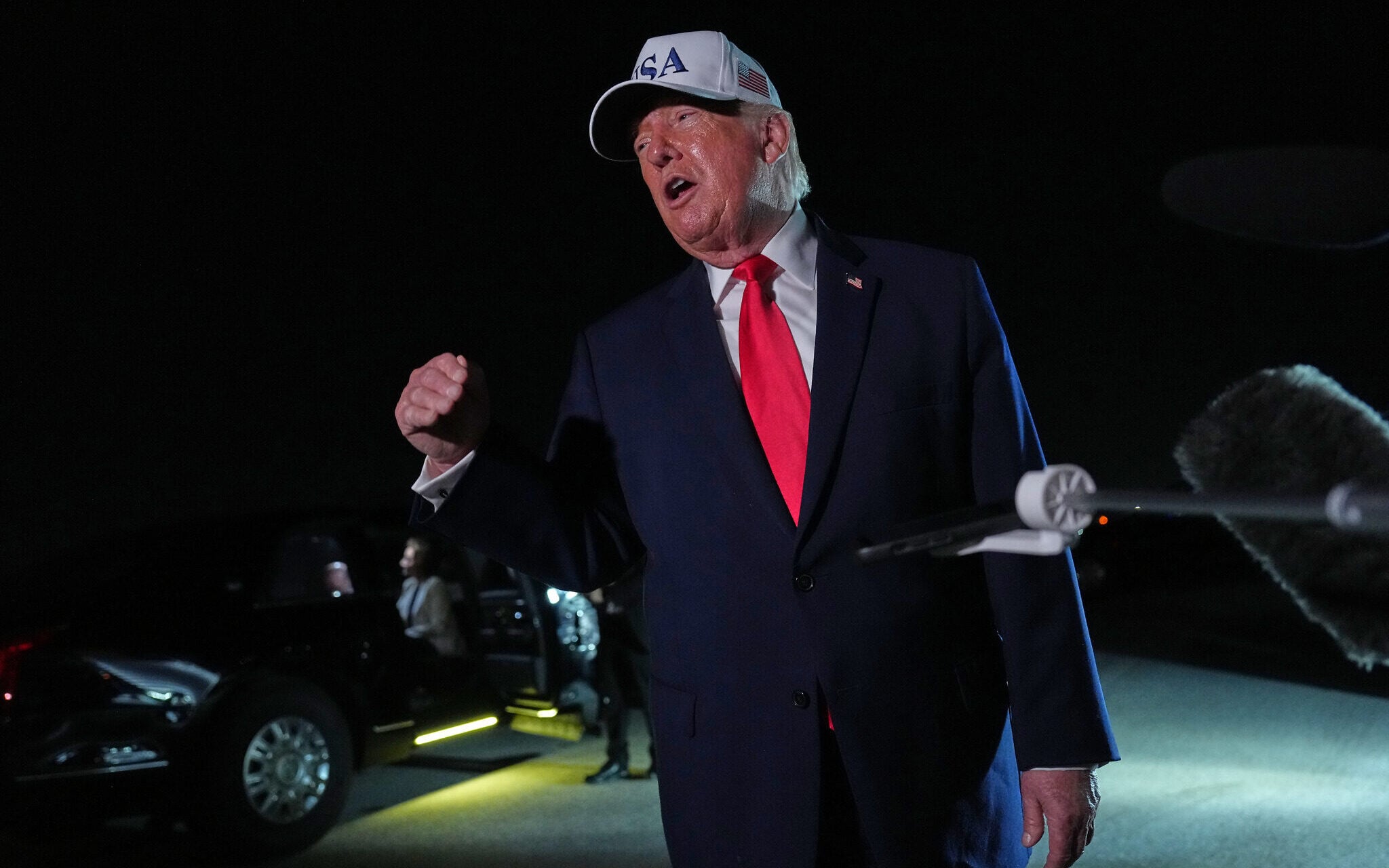
US President Donald Trump said Friday that the US military carried out limited strikes on Iran, targeting an air defense system.
Iranian media reported that two missiles struck Qeshm Island.
The state news agency IRNA reported that local witnesses said two projectiles had struck the Suza area of Qeshm Island in southern Iran after the sound of an aircraft was heard over the island.
0:00 / 0:00
Promoted: American Technion Society

Trump in an exchange with reporters described the military action as “minor.”
“They knocked out — they built a little bit of an anti-aircraft device and we knocked it out in about 15 minutes, maybe five,” Trump told reporters shortly after arriving in West Palm Beach, Florida, on Friday evening.
Get The Times of Israel's Daily Edition by email and never miss our top stories
By signing up, you agree to the terms
Trump did not offer further details about the targets. But US officials have reported that most of Iran’s air defense systems were destroyed or severely degraded during a June 2025 bombardment by Israel and in the early stages of the current conflict.
US officials have assessed that Iran would try to rebuild and bolster its air defense systems and other military infrastructure over time.
According to a Friday report in The Telegraph, Iran has been negotiating a deal with Russia for the S-400 air defense system, a medium-range surface-to-air missile battery that has had some success shooting down fighter jets and drones in the Ukraine-Russia war.
The report cited an Iranian official who said the Islamic Republic is “optimistic” that Russian leader Vladimir Putin will green light the sale.
The official said that when Mohsen Rezaei met last week with Putin at the Kremlin, he brought a message from Supreme Leader Mojtaba Khamenei, whose chief demand was that Russia supply Iran with weapons.
Iranian military claims it’s now ‘stronger’ than at start of war
In the wake of the strikes on Qeshm, Iranian army spokesman Mohammad Akraminia claimed Saturday that Iran’s forces had grown stronger and more confident, state news agency IRNA reported.
“Today, the Islamic Republic’s armed forces… having gained experience from direct confrontation with the United States and the Israeli regime, are on higher alert and are stronger than they were at the beginning of the war,” he said.
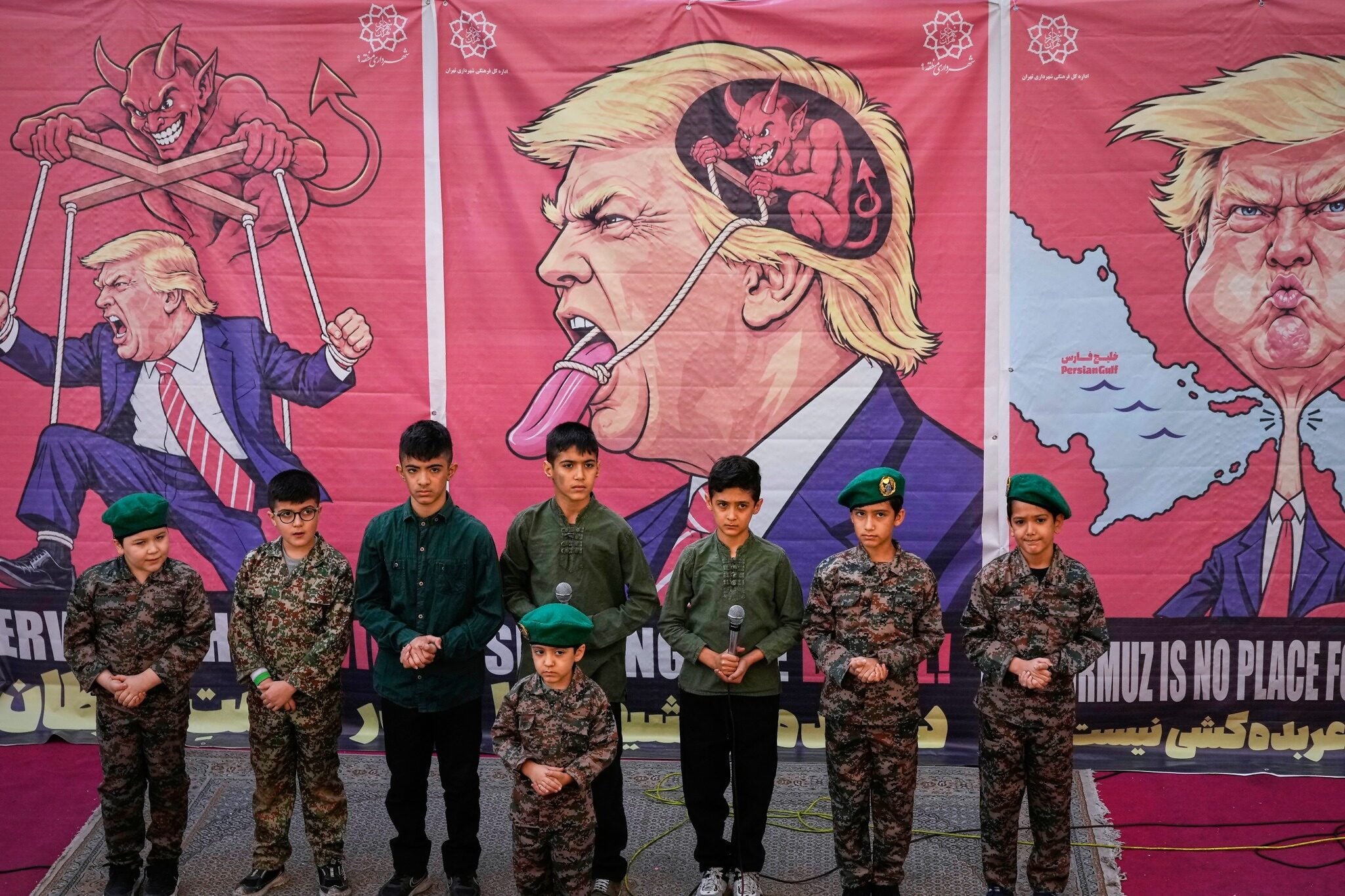
“They now possess greater motivation, commitment, and self-confidence,” he said.
“Under the order of the supreme leader, the response of the armed forces will be immediate, effective, and without geographical limitations,” he added, echoing statements made in recent weeks by top Iranian officials.
Qatar presents new proposals to Iranian officials
Amid the US strikes and saber-rattling from Tehran, two Middle East government officials said Friday that Iran was reviewing proposals presented by chief mediator Qatar aimed at addressing differences with the United States about Tehran’s nuclear program.
But one of the officials stressed that the Iranians, at least at the moment, remain unwilling to engage in negotiations with the Trump administration over their atomic activities until the US agrees to several core conditions that Iran has been demanding be part of any ceasefire agreement.
Differences with Iran over its nuclear program remain the thorniest issue and one that Trump insists must be resolved as part of any deal meant to end the more than 8-month-old war.
Both officials were not authorized to comment publicly on the delicate negotiations and spoke on the condition of anonymity.

The White House declined to comment about the Qatari-presented proposals on Iran’s nuclear program, but Trump noted earlier Friday in an exchange with reporters that mediators’ discussions with Iran continue.
“We are talking to Iran. We have been,” said Trump, who insists the US military remains in control of the conflict with a battered Iran.
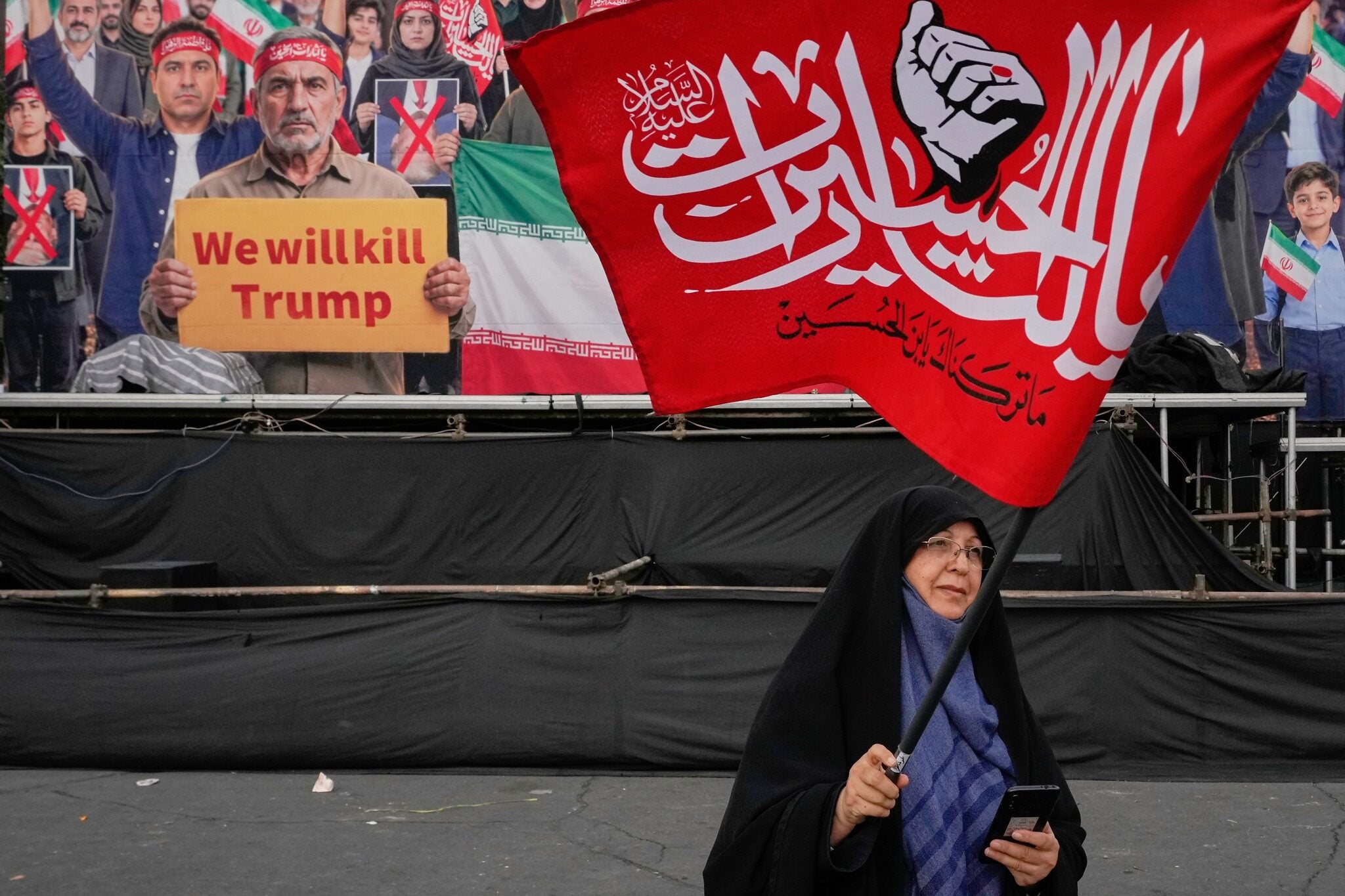
Yet, Tehran insists on several concessions from the US, which Trump has declined in the past. Among the core demands Iran says must be met before engaging in nuclear talks: ending the US blockade on Iran’s ports, lifting sanctions, unfreezing its assets, issuing compensation for war damage and ending hostilities throughout the region, including Israeli operations in Lebanon.
Mediators and Iran have discussed a potential bridge deal aimed at helping pave the way for further talks on Tehran’s nuclear program, according to regional officials.
They said the proposal, which was recently presented to the two sides by Qatari mediators, called for implementing trust-building measures over the course of two days.
These measures include lifting the US blockade and releasing some of the billions of dollars in Iranian frozen funds seized over the years as part of a US campaign to isolate Iran over its nuclear program. In return, Tehran would allow International Atomic Energy Agency inspectors at its sites bombed by the US and Israel, the officials said.
On the second day, Iran would reopen the Strait of Hormuz in line with a modified agreement that Iran and Oman have reached on the waterway but has not been approved by the United States, the officials said. That mechanism would be temporary until a permanent deal is reached on the strait in cooperation with other Gulf countries, they said.
Following the implementation of the measures, the US and Iran would embark on extensive talks addressing Iran’s stockpile of highly enriched uranium as well as other aspects of its program, the officials said.
Iran has long maintained that its nuclear program is peaceful, but according to the IAEA, Iran has 440.9 kilograms (972 pounds) of uranium that is enriched up to 60 percent purity, a short, technical step from weapons-grade levels of 90%. There is no civilian energy application for uranium enriched to those levels.
Regional diplomatic efforts pick up following US election
A flurry of diplomatic phone calls in recent days between leaders in the Persian Gulf and beyond has been aimed at easing tensions in the region.
US Defense Secretary Pete Hegseth spoke Friday with his Qatari counterpart, Sheikh Saoud bin Abdulrahman Al Thani, about developments, according to the Qatari government.
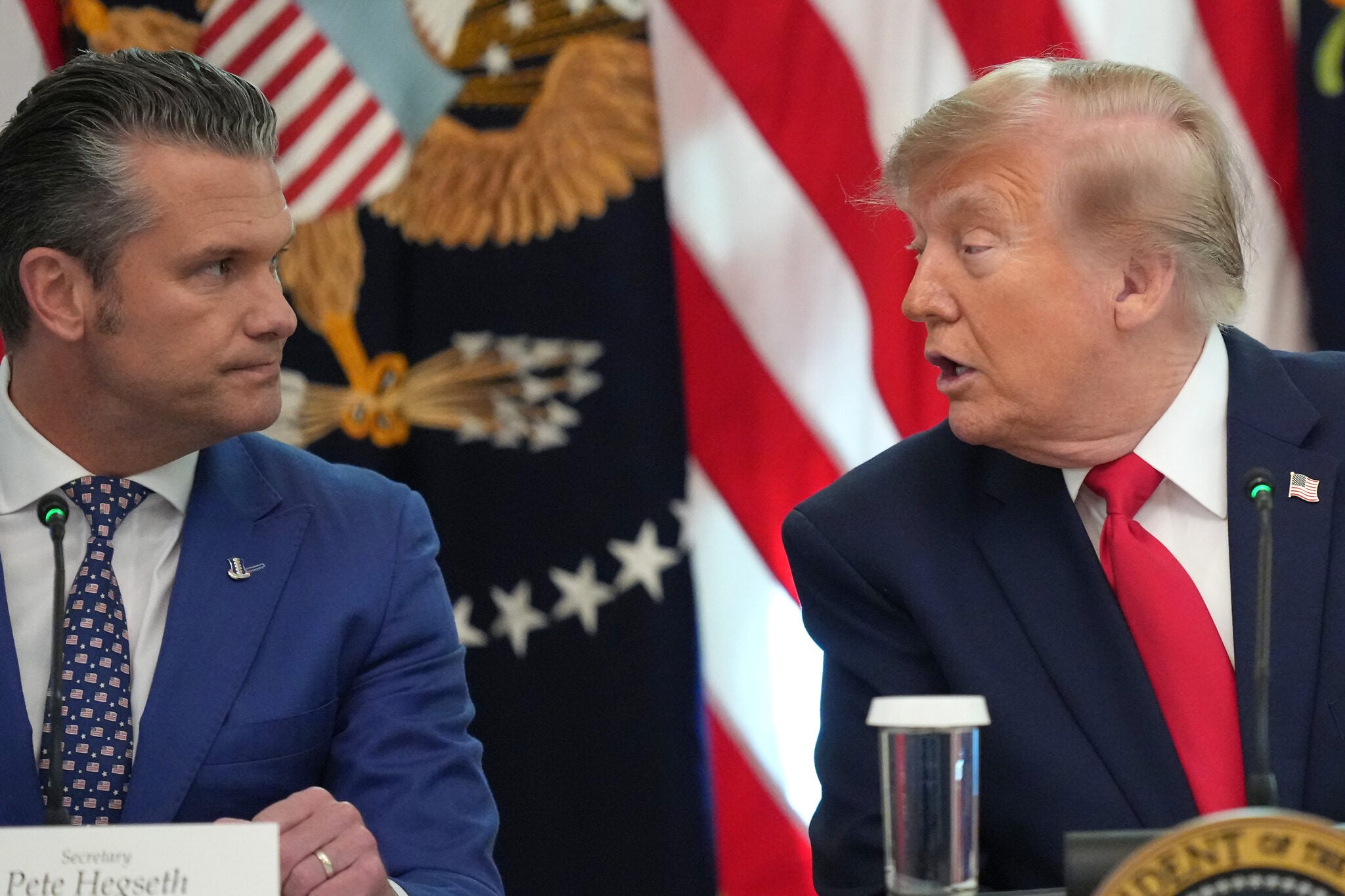
The Qatari government announced the call between the countries’ defense officials after confirming earlier Friday that Trump and Qatar’s emir had a separate call to discuss efforts to de-escalate tensions.
Iranian Foreign Minister Abbas Araghchi also held phone calls with his Iraqi and Tunisian counterparts on Friday to discuss tensions in the region. Araghchi and Iraqi Foreign Minister Fuad Hussein discussed Tehran’s vision for resuming negotiations with the US, according to Iraq’s News Agency.
Egyptian Foreign Minister Badr Abdelatty, who held two calls with Araghchi this week, said Friday in a post on X that it was critical that both sides demonstrate “flexibility” to achieve the “compromise solutions” necessary to prevent the region from sliding into a new wave of escalation.
Egypt’s top diplomat also held a phone call with his Emirati counterpart, Abdullah Bin Zayed Al Nahyan, to emphasize the importance of political negotiations to prevent another military confrontation that could fuel violence and destruction, according to a statement by Egypt’s Foreign Ministry.
KioskNews shows a cleaned-up reading view extracted from the publisher’s page — the original always lives on their site, not ours.