Syria, Iraq stir hope despite memories of war with resumption of Shiite pilgrimages- analysis
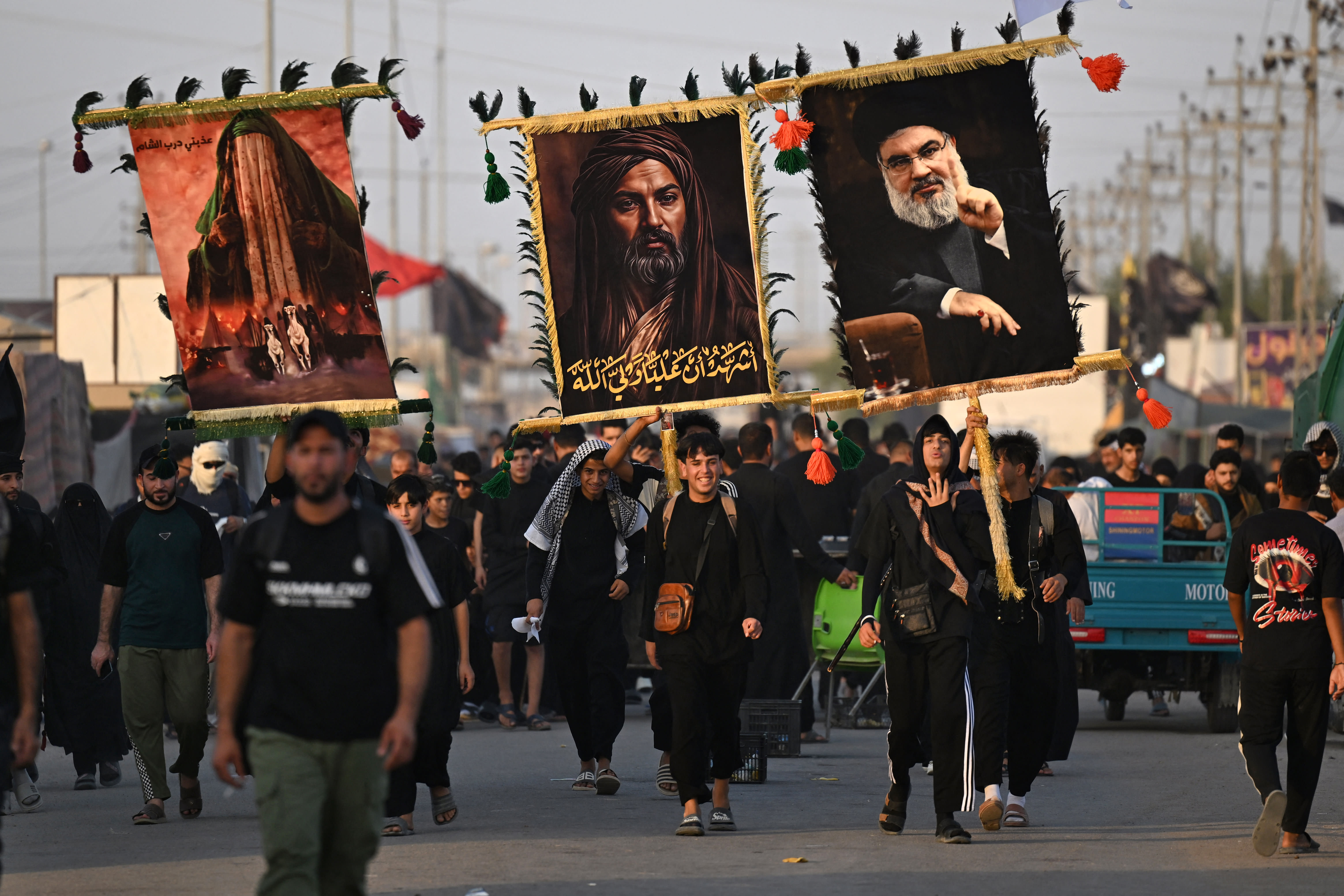
DAMASCUS — Syria and Iraq are discussing the restoration of organized Shiite pilgrimages to the Sayyida Zaynab shrine near Damascus, following high-level talks on October 28. The prospect has raised hopes of reviving businesses that once depended on religious tourism, while reopening painful questions about the role of Iran-backed armed groups during Syria’s civil war.
For more stories from The Media Line go to themedialine.org
The discussions took place during Iraqi Prime Minister Ali Faleh al-Zaidi’s visit to Damascus, where he met Syrian President Ahmed al-Sharaa. The two leaders proposed establishing a committee to arrange visits and ensure pilgrims’ safety, but no timetable or final agreement has been announced.
For Ali al-Hassan, who has kept his shop opposite the shrine closed since the fall of Bashar al-Assad’s government in December 2024, the possibility of renewed tourism offers hope of recovering his livelihood.
“I used to sell perfumes and fabrics that pilgrims would take home as gifts for their families,” al-Hassan told The Media Line. “Visitors came from Iraq, Iran, Lebanon, and several other countries, and they were all Shiites.”
The shrine, traditionally believed to contain the tomb of Zaynab, a granddaughter of the Prophet Muhammad, is among the most important pilgrimage destinations for Shiite Muslims. Before Assad’s overthrow, thousands of visitors supported a local economy of hotels, restaurants, shops, and transportation services.
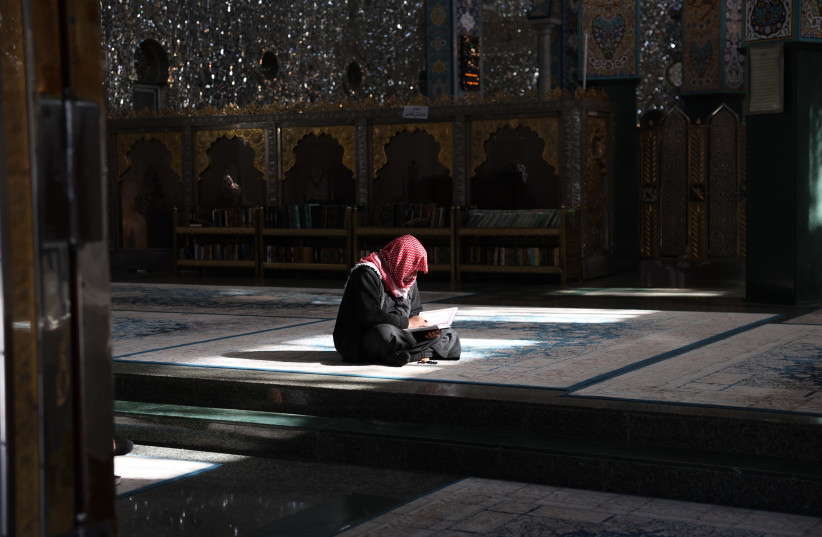
Although small groups have continued visiting since the change of government, organized religious tourism has declined sharply, leaving many businesses closed and hotels largely empty.
The prospect of renewed activity has also revived concerns among Syrians who remember the involvement of Iran-backed armed groups in the country's civil war.
A diplomatic opening
Al-Zaidi's October 28 trip was the first visit by an Iraqi prime minister since Assad’s overthrow.
During his stay, he visited the Sayyida Zaynab shrine and the Umayyad Mosque in Damascus, accompanied by Syrian Foreign Minister Asaad al-Shaibani.
The Iraqi prime minister’s office announced that he had donated $10 million from his personal funds, allocating $5 million to each religious site.
The gesture carried religious and diplomatic significance. The Sayyida Zaynab shrine is revered by Shiite Muslims, while the Umayyad Mosque is among the most important historic sites in Sunni Islamic tradition.
Al-Sharaa had previously told Iraq’s Dijlah television channel that Shiite religious sites remained accessible and that Syria was preparing to receive Iraqi delegations. He attributed delays to security problems following the former government's collapse.
Protecting worshippers remains a concern. In January 2025, Syrian authorities announced that they had thwarted an Islamic State plot to bomb the Sayyida Zaynab shrine, arresting four suspects.
Memories of war complicate the return
During Syria’s civil war, Iran-backed Iraqi and Lebanese armed groups fought alongside Assad’s forces, frequently invoking the defense of Shiite shrines to justify their intervention.
Their activities extended beyond protecting religious sites to military campaigns against opposition-held areas. Forces supporting the former government have faced documented allegations of killings, displacement, sieges, and other abuses.
In Idlib province, political activist Bilal al-Khalaf told The Media Line that Iraqi armed factions had contributed to civilian suffering and the destruction of residential neighborhoods.
He argued that those responsible for wartime crimes should face investigation and prosecution, but ordinary Shiite worshippers should not be held accountable for the actions of armed groups.
“Pilgrims should not be held responsible for the actions of armed groups, just as victims should not be asked to forget their memories or give up their right to justice,” he said.
Religious rituals raise local concerns
Not all concerns about the return of pilgrims are tied to the armed conflict.
Nawfal al-Ahmad, who has lived in Sayyida Zaynab for 40 years, recalled how large religious processions previously blocked streets, disrupted traffic, and interfered with residents’ daily activities.
He was particularly troubled by public performances of tatbir, a mourning ritual practiced by some Shiite Muslims that involves striking the head with sharp instruments to draw blood.
The practice commemorates the suffering associated with Imam Hussein ibn Ali, who was killed at the Battle of Karbala in 680. It remains controversial within Shiite Islam, and some prominent religious authorities oppose it because of the physical harm involved.
“These practices were disturbing, and they disappeared after Assad’s fall. But now, with delegations potentially being allowed to return, we hope they will perform their rituals in an orderly manner and without bloody scenes,” al-Ahmad told The Media Line.
He stressed that he did not oppose pilgrimages themselves but wanted ceremonies conducted without disrupting neighborhood life.
Objections have also emerged within Syrian religious circles.
In a statement issued Friday following al-Zaidi’s visit, the Forum of Levantine Preachers, known in Arabic as Multaqa Duat al-Sham, warned against allowing armed factions associated with abuses during the civil war to reestablish themselves under the cover of religious tourism.
The forum called for preventing individuals implicated in violence or sectarian incitement from exploiting religious gatherings to regain influence. It also urged respect for religious sanctities and restrictions on rhetoric that could inflame sectarian hostility.
Syrian official promises protection, oversight
Ahmad Anwar al-Alabi, who spoke as an official responsible for religious endowments at Syria’s Ministry of Awqaf, said the government regarded access to religious shrines as a legitimate right protected by freedom of worship.
He explained that authorities were considering organized groups and designated visiting periods, with security coordinated through the Interior Ministry and other relevant agencies.
“The objective is not to impose restrictions on religious practices, but to ensure that visits take place in an organized manner that respects the sanctity of the site and Syrian laws,” al-Alabi told The Media Line.
He rejected the possibility of religious gatherings being exploited for military or political purposes.
“A visit to the Sayyida Zaynab shrine is purely religious. It is not an entry point for military activity, displays of armed force, or political mobilization,” he said.
Al-Alabi said the arrangements should prohibit weapons, displays supporting armed organizations, and activities likely to inflame sectarian divisions.
He also stressed that religious affiliation or nationality should not be grounds for suspicion. Responsibility for wartime crimes, he said, must be established individually through evidence and legal procedures.
Economic recovery and regional relations
The pilgrimage initiative forms part of broader efforts by Damascus and Baghdad to rebuild relations following Assad’s overthrow.
During al-Zaidi’s visit, the governments also discussed trade, investment, border security, and rehabilitating the Kirkuk-Baniyas oil pipeline, which could give Iraq another route for exporting oil through Syria to the Mediterranean.
Religious tourism could help revive the economy around Sayyida Zaynab, where hundreds of families have depended directly or indirectly on businesses serving pilgrims.
But before larger groups return, the two governments must finalize arrangements that protect visitors and residents while addressing concerns that armed factions could exploit the reopening.
Al-Hassan, meanwhile, is considering reopening the shop that supported him for more than two decades. For now, its doors remain closed.
KioskNews shows a cleaned-up reading view extracted from the publisher’s page — the original always lives on their site, not ours.