After vague midterm remarks, VP Vance must clarify what's next for US-Israel ties - editorial
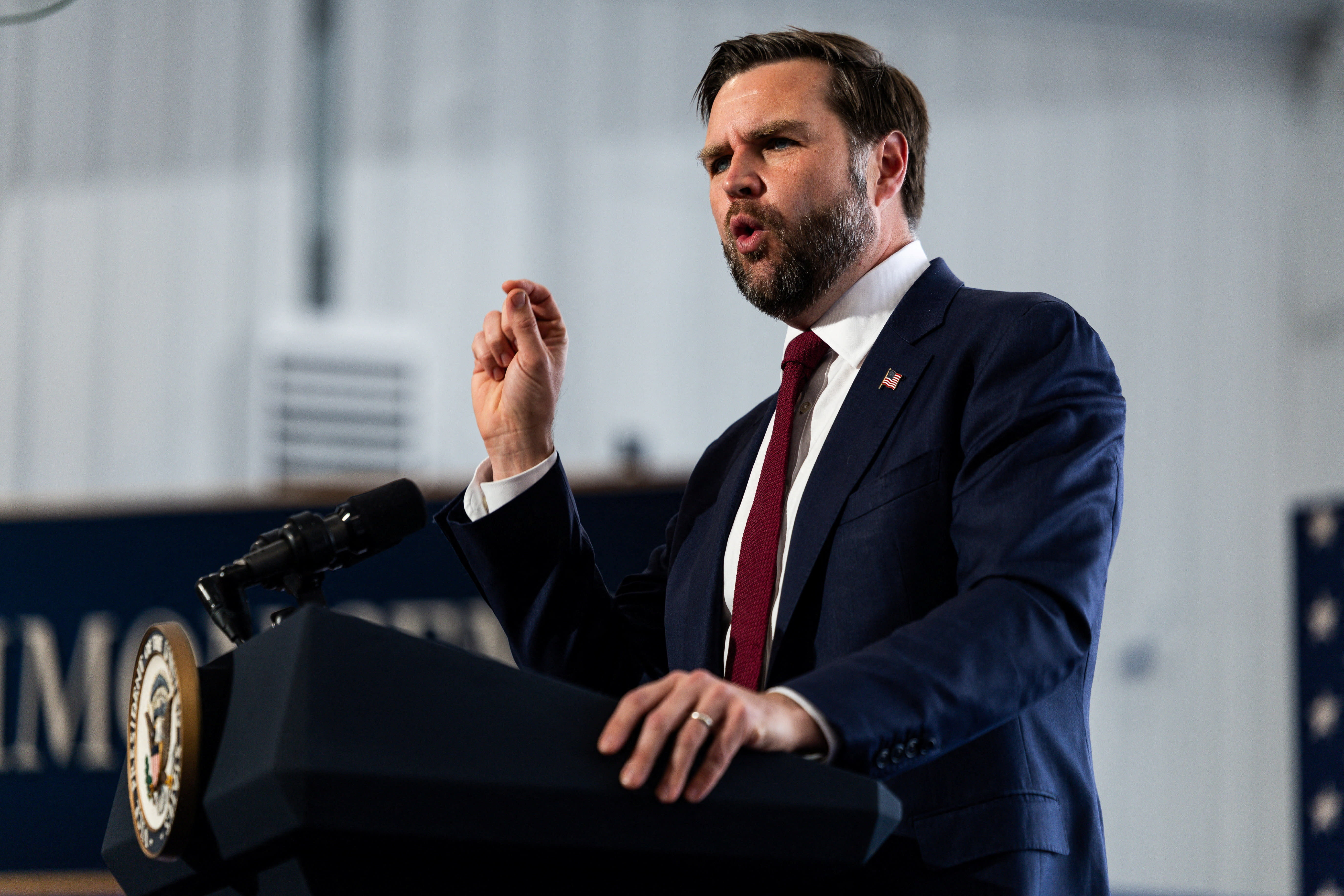
When a government loses an election, its leaders usually look for an explanation. Some look in the mirror. Others look overseas.
Vice President JD Vance should begin with the administration in which he serves.
“The reason we lost is the war,” Vance wrote on Wednesday. He also cited an unnamed pollster’s account of former Trump voters who wanted four changes before returning to the Republican fold. Alongside ending the Iran war, addressing living costs, and putting America first was changing the relationship with Israel.
Vance did not say Israel alone caused the defeat. His argument should be challenged on what he actually said. But invoking the alliance in an explanation of electoral failure, without specifying what should change, risks transferring the political cost of American decisions to an American ally.
The vice president owes both countries more than that.
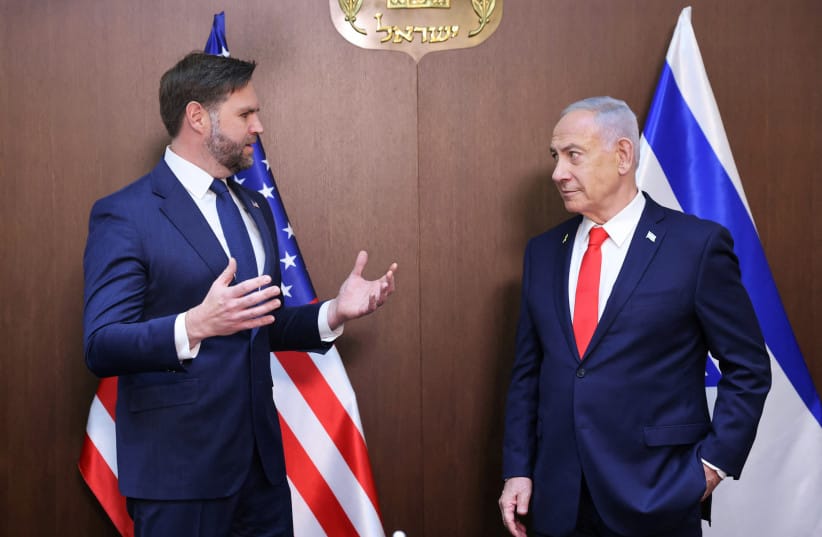
Vance must acknowledge US responsibility for decisions on Iran war
Vance holds the second-highest office in the administration that went to war. President Donald Trump made the decision to commit American forces. US officials determined American objectives and directed American operations. Israeli influence, advice, or pressure does not erase that chain of responsibility.
If Vance believes the administration made a mistake, he should identify it. If he believes Israeli advice was wrong, he should explain which advice Washington accepted and why. If he believes the war was justified but mishandled, he should say how. His office carries responsibility that a social-media post cannot set aside.
Congress should demand that accounting before the administration commits the country to another military phase. The public needs to know what succeeded, what failed, and what assumptions are driving the next decision.
American voters have legitimate grievances. Families facing higher prices are entitled to ask what this war has achieved. Service members deserve clear objectives. Taxpayers deserve an accounting of the costs. Israelis should listen seriously, rather than dismiss every demand for restraint as hostility toward Israel.
AP poll shows Iran war mattered to voters, but was not the only factor in GOP losses
The AP Voter Poll found that about six in 10 voters considered military action against Iran the wrong decision. About one-third said the war was crucial to their congressional vote, compared with roughly half who cited the cost of living or government corruption. The war plainly mattered. The evidence also cautions against treating it as a complete explanation for the Republican collapse.
Nor does Vance’s account of one unnamed pollster’s findings establish a national mandate for an undefined overhaul of US-Israel relations. The public deserves to see the evidence behind that argument. More fundamentally, it deserves to hear what the vice president himself recommends.
Would he reduce military assistance, restrict arms sales, curtail intelligence cooperation, or change policy toward Prime Minister Benjamin Netanyahu’s government? These are distinct choices, with different consequences for both countries. He should state the problem each proposed change would solve and the security costs it would carry.
Trump’s November 3 announcement that annual military aid would end by year’s end makes those questions urgent. He claimed an agreement with Netanyahu, while Israeli officials were reportedly surprised. The announcement does not establish that a cutoff has been implemented. Both governments must explain what, if anything, was agreed to, what would change, and when.
Vance must clarify his position on Iran's nuclear program and future military action
The same clarity is required regarding Iran. In October, Vance demanded a meaningful reduction in its nuclear enrichment capacity. Does that remain his position? What inspections, enforcement, and diplomatic arrangements would make an agreement credible? What would renewed military action achieve that previous operations did not?
Ending an unpopular war is a legitimate goal. Leaving the nuclear threat unresolved, or allowing another round of fighting to develop without achievable objectives, would carry costs that survive an election cycle.
Israel’s leaders also owe their public answers. They must defend their decisions, prepare for changes in American policy, and rebuild support across party lines. The alliance cannot safely rest on personal ties between leaders or on the expectation that American voters will overlook their own concerns.
Vance has every right to propose a different relationship. He must explain the concrete changes he wants, accept responsibility for the decisions his administration made, and show how distancing Washington from Jerusalem would make Americans or Israelis safer.
KioskNews shows a cleaned-up reading view extracted from the publisher’s page — the original always lives on their site, not ours.