Why Plato-to-Nato Western myth is being resurrected
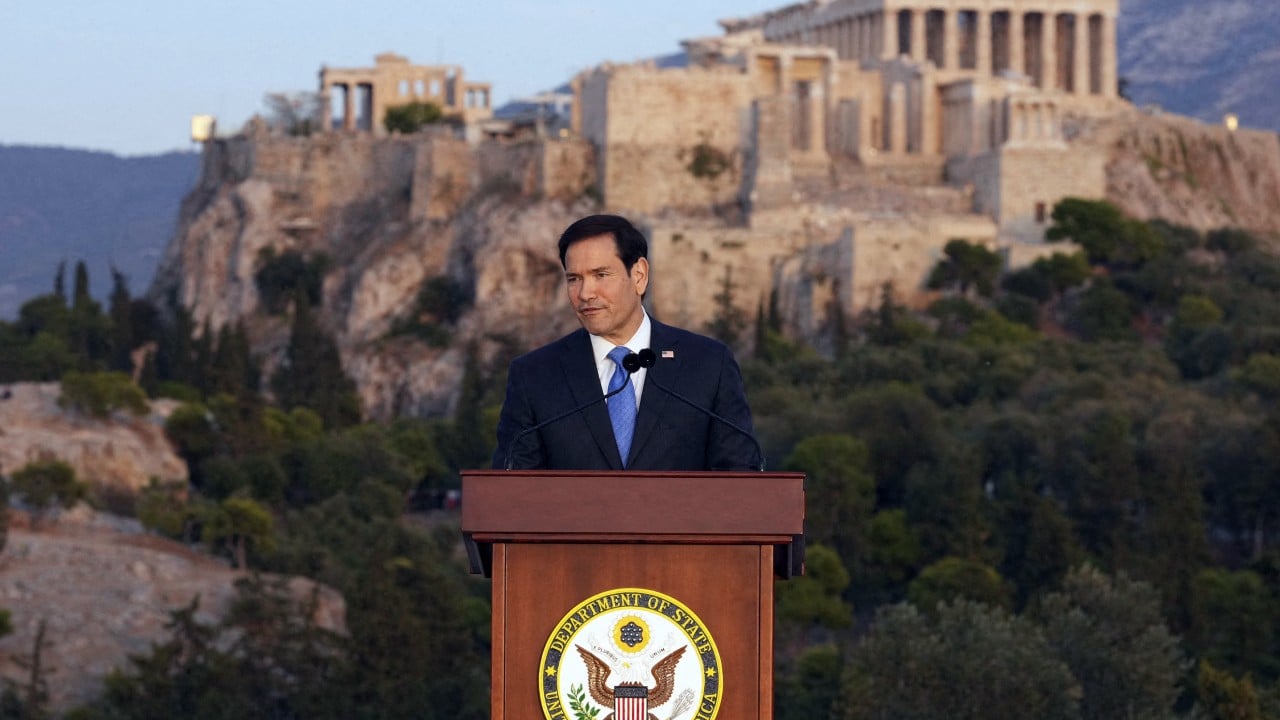
Standing before the Acropolis in Athens earlier this month, US Secretary of State Marco Rubio called the West’s story “the greatest story ever known to man”. But didn’t Hollywood tell us the greatest story ever told was that of Jesus of Nazareth?
The decisions of the coming decade, Rubio said, “will determine whether the West maintains its place at the head of the world or resigns itself to a future of atrophy and servitude and decline”. Under US President Donald Trump, “we choose the unapologetic pursuit of national power”. Behind the classical backdrop is an old idea brought back to life: a single West running unbroken from Plato to Nato. It hides more than it explains what Washington wants.
In this updated “grand narrative” of Western civilisation – which might more accurately be renamed “from Plato to Trump”, considering how much he despises Europe and Nato – the West must be led by a Washington that is superior to the rest.
Writing in Foreign Affairs, Leonard A. Schuette of the Carnegie Endowment for International Peace explains why the far-right is resurrecting a discredited idea. Vice-President J.D. Vance warned at the 2025 Munich Security Conference of a “threat from within” to “our shared civilisation”. The US National Security Strategy speaks of “civilisational erasure”. Trump stressed at Davos “the bonds we share with Europe as a civilisation”, and Rubio urged allies to “renew the greatest civilisation in human history”.
Schuette calls the doctrine taking shape “civilisationism”. Under this doctrine, the West is defined less by principles that anyone can adopt – constitutional democracy, liberty and equality – than by territory, ancestry and Christianity.
The bigger problem is the myth underneath the doctrine. As the scholar Amitav Acharya puts it, “all civilisation-state claims – US, Chinese, Indian, Russian – are myths in the analytical sense”. The Plato-to-Nato narrative holds that Western civilisation is one unbroken, linear thread running from ancient Greece to modern Western democratic institutions. Scholars such as Kwame Anthony Appiah and David Gress have taken that story apart.
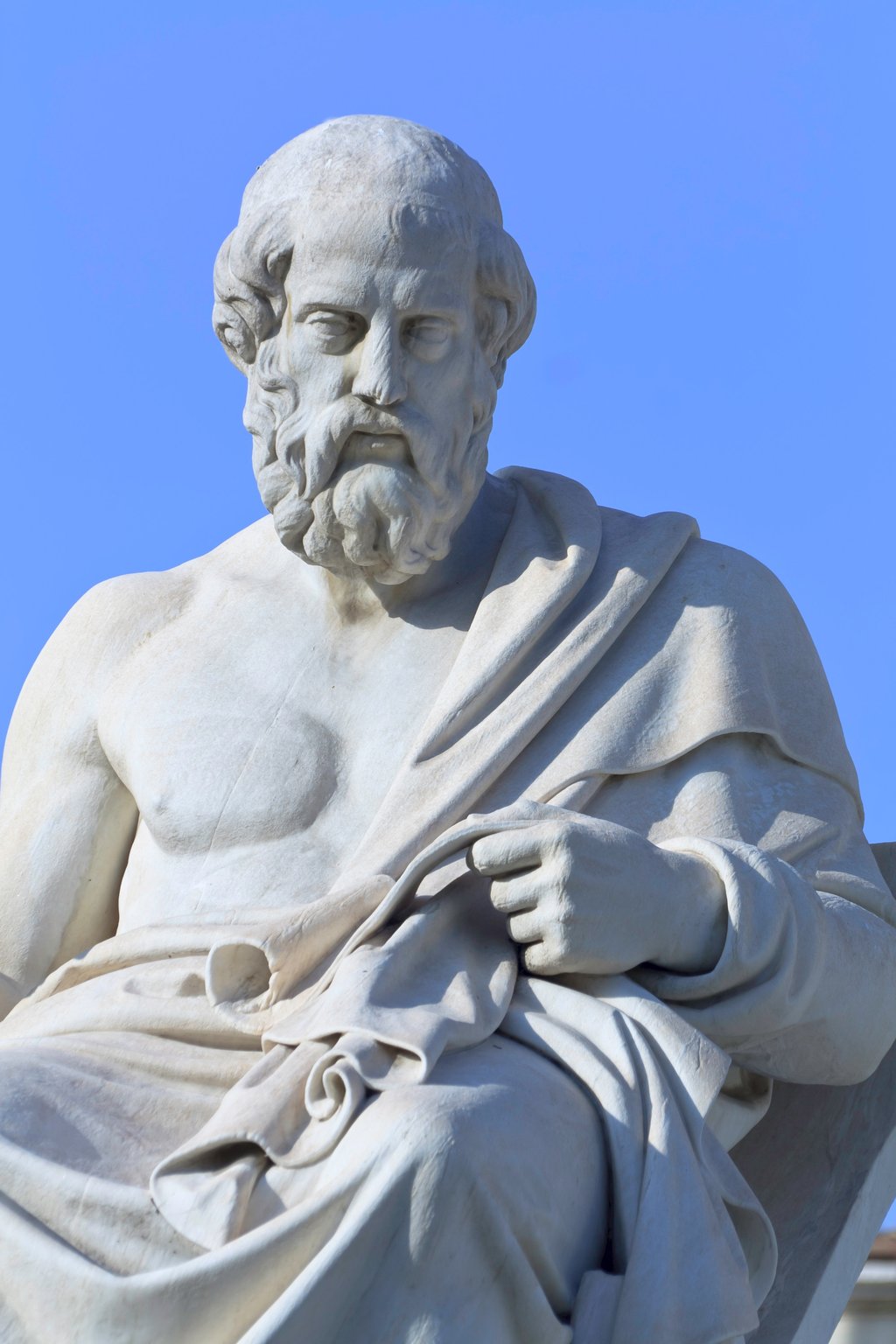
Gress was actually a defender of Western civilisation, having written the book that provided the actual phrase for people who never read it to use as an ideological slogan. Gress believed the West’s real history was more tragic and complicated. He dismantled the Plato-to-Nato narrative as a 20th-century political myth, manufactured largely for Cold War geopolitical ends.
That narrative caught on in mid-20th-century American universities through “Western Civ” curricula and the “great books” of the Western world. Today, you have conservative or neoconservative commentators bemoaning their disappearance from some universities.
I was educated on those books through four years of university in the United States. Those courses gave the transatlantic alliance an ideological blueprint against communism, allowing Nato to present itself as the defender of a 2,500-year-old tradition of liberty. Who wouldn’t want Plato and Aristotle on their side? Except that they would almost certainly be disgusted by today’s Western democracies.
For much of its history, Europe was dominated by absolute monarchies, religious intolerance, feudalism and imperialism. Liberal democracy was as much accident as destination. The narrative also skips about a thousand years of medieval history. Modern institutions were forged from a messy synthesis of Roman law, Christian theology and Germanic institutions, later combined with modern European developments after the Thirty Years’ War.
Neither is “the West” a sealed intellectual community. Europe was part of a broader Eurasian and Mediterranean network. Greek texts were lost to western Europe after the fall of Rome, then preserved by Islamic scholars in Baghdad, Cordoba and Cairo. The bloodline from Plato to Nato ran through the Islamic world.
Rubio’s own words betray his ignorance about the West’s intellectual roots. At the Munich Security Conference this February, he lamented that after 1945 the West had contracted, a decline hastened by “godless communist revolutions” and “anti-colonial uprisings”. He went on to declare that the US had “no interest in being polite and orderly caretakers of the West’s managed decline”.
In Athens, he praised the Spanish conquistador Hernan Cortes and described the pre-colonial Americas as “an open and wild land”, conveniently omitting the indigenous societies that had long lived there. Could Rubio really be so pathetically ignorant of the Inca, Aztec, Maya and Caral civilisations about which well-informed high-schoolers in North America would know?
Even Clash of Civilisations author Samuel Huntington conceded that, “The West won the world not by the superiority of its ideas or values or religion (to which few members of other civilisations were converted) but rather by its superiority in applying organised violence. Westerners often forget this fact; non-Westerners never do.”
Scholars such as Ian Morris and Jared Diamond have argued that the real drivers were material: resources, land, markets and control of militarised technology. But “the West is the best” is a useful myth, and it is being recycled for American imperialism 2.0.
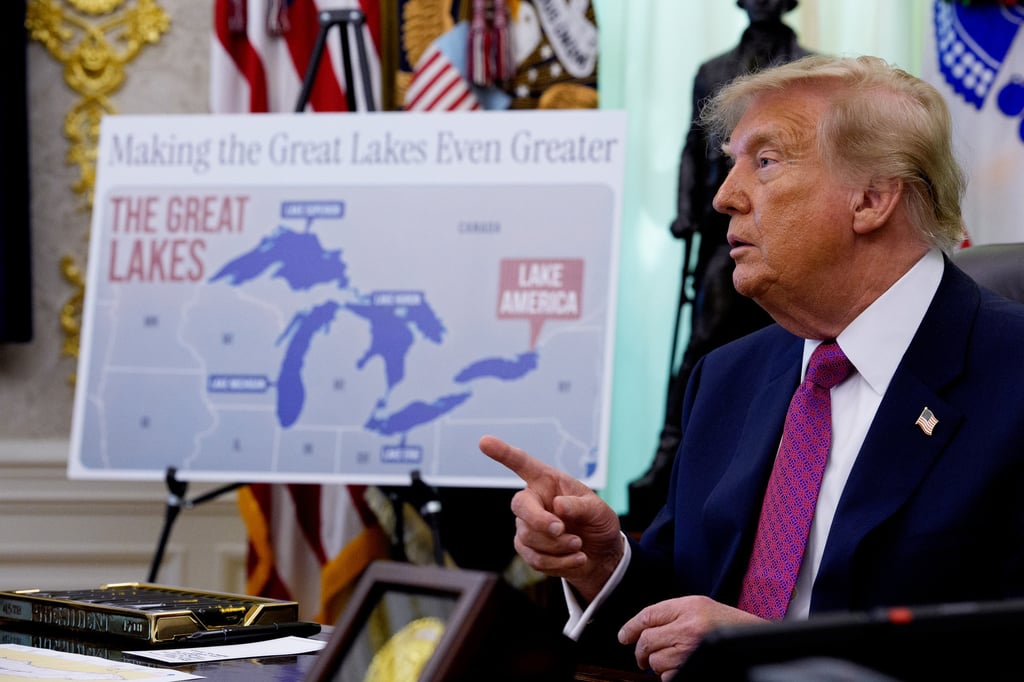
You don’t have to look far. Just look at the maps on which Trump likes to claim Canada, Greenland, Venezuela and Cuba as US territory and the western hemisphere as being under US dominance. Consider Defence Secretary Pete Hegseth’s 2020 book American Crusade, which casts China, socialism and Islam as enemies in a “holy war”.
Whether used to justify a crusade or a carve-up into spheres of influence, the frame treats sovereign nations as subordinates in someone else’s order. The governments of Europe and Asia should judge Washington by its actions and decide: who is their biggest threat?
KioskNews shows a cleaned-up reading view extracted from the publisher’s page — the original always lives on their site, not ours.