Boeing's Calamity Capsule gets another shot at the ISS taxi business
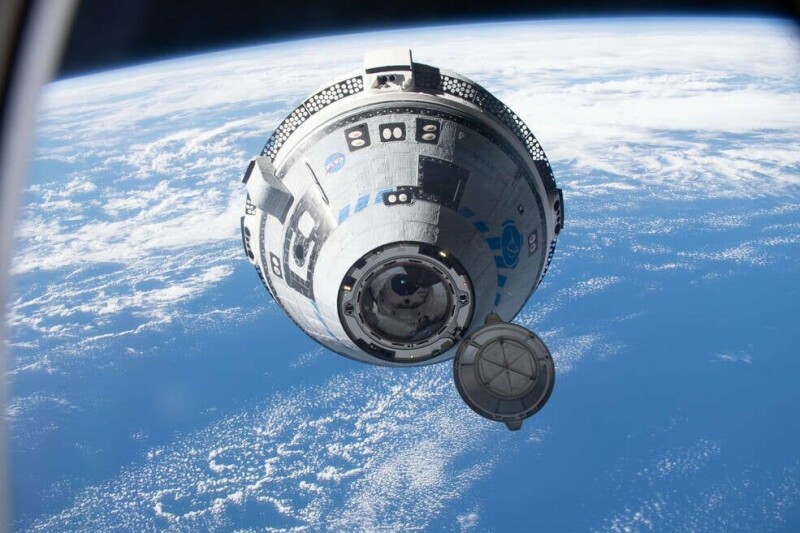
Starliner-1 could fly by January, with astronauts to follow by 2028 if all goes well
SpaceX might not be the ISS's only ride after NASA and Boeing claimed that Starliner - aka the aerospace giant's Calamity Capsule - will fly again and carry a crew in 2028.
The plan is to launch an uncrewed vehicle, the Starliner-1, in the December 2026 / January 2027 timeframe, and a crewed vehicle, Starliner-2, sometime in 2028. Starliner-1 will ferry cargo to the International Space Station (ISS) and, if all goes well, humans will take their turn on Starliner-2.
NASA also intends to exercise options for a fifth and sixth flight to and from the ISS and to get the Vulcan rocket certified for use after the Atlas V, which has launched Starliner to date, is finally phased out.
REG AD
In 2025, NASA pared back the Starliner contract and modified its order from six to four missions. At the time, Boeing was aiming for no earlier than April 2026 for Starliner-1, something that has now slipped to the end of the year and might go beyond.
REG AD
An observer might wonder what the point is of splashing cash on a program that has managed one crewed flight since the contract was awarded in 2014. 2024's flight test ended with an empty capsule returning to Earth after controllers decided multiple failures had made it too risky for humans. The crew, Butch Wilmore and Suni Williams, had to wait on the ISS for months until returning as part of the SpaceX Crew-9 mission.
Boeing's Starliner has struggled, but SpaceX's Crew Dragon is proven and essential for getting crews to and from the ISS. Its run may be ending though. NASA recently added three more Crew Dragon missions to the ISS, and 2028 appears to be the end of the road (at least for now).
That uncertainty, plus the coming wave of commercial stations that will need crew access, could give Starliner an opening. NASA says maintaining a US crew transportation capability is essential to winding down the ISS responsibly, transitioning to commercial stations, and expanding commercial success.
Boeing stated that 19 of the 21 in-flight "anomalies" noted during the crew flight test are now closed, with the remainder due to close in October. Changes made to the spacecraft include the replacement of valves on all 12 of the crew module reaction control thrusters, improvements to the parachute joint design, and upgraded battery systems from NASA.
It remains difficult to escape the words "sunk-cost fallacy" when considering the billions spent on the Starliner program. However, given the limited time available and the need to continue commercial access to orbit using US vehicles in a possible post-Crew Dragon environment, the desire to finally make the Calamity Capsule operational is understandable. ®
KioskNews shows a cleaned-up reading view extracted from the publisher’s page — the original always lives on their site, not ours.