Millions can’t afford to follow government’s stockpiling advice, research finds
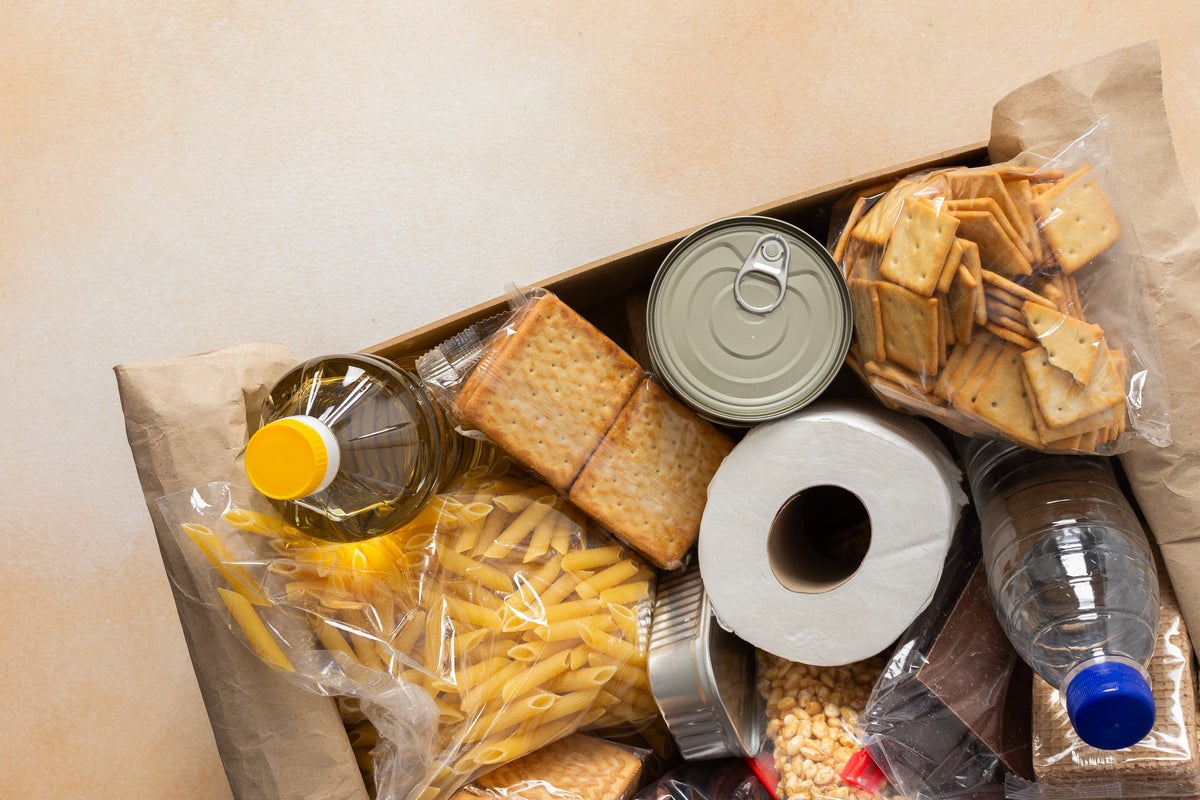
Over than three million households in the UK cannot afford the government’s recommended emergency stockpile, new research has found, sparking warnings that ministers are leaving the poorest families dangerously exposed.
An estimated 3.1 million households – comprising 6.4 million people, including 2.1 million children – lack the income and savings required to buy a basic three-day reserve of food and water, analysis by the Verdant think tank found.
The research assessed the costs associated with the government’s recently launched ‘Be Ready’ checklist, finding a bare minimum of £12 was required. At typical retail prices, the cost rises to nearly £20 per adult, while ready-to-feed baby formula adds an extra £12 per infant.
The guidance asks every household to store three litres of bottled water per person per day alongside non-perishable food that does not require cooking or refrigeration, in order to prepare for extreme weather, cyberattacks, and infrastructure blackouts.
The figures exclude emergency hardware recommended in the wider guidance, such as torches, spare batteries, or wind-up radios.
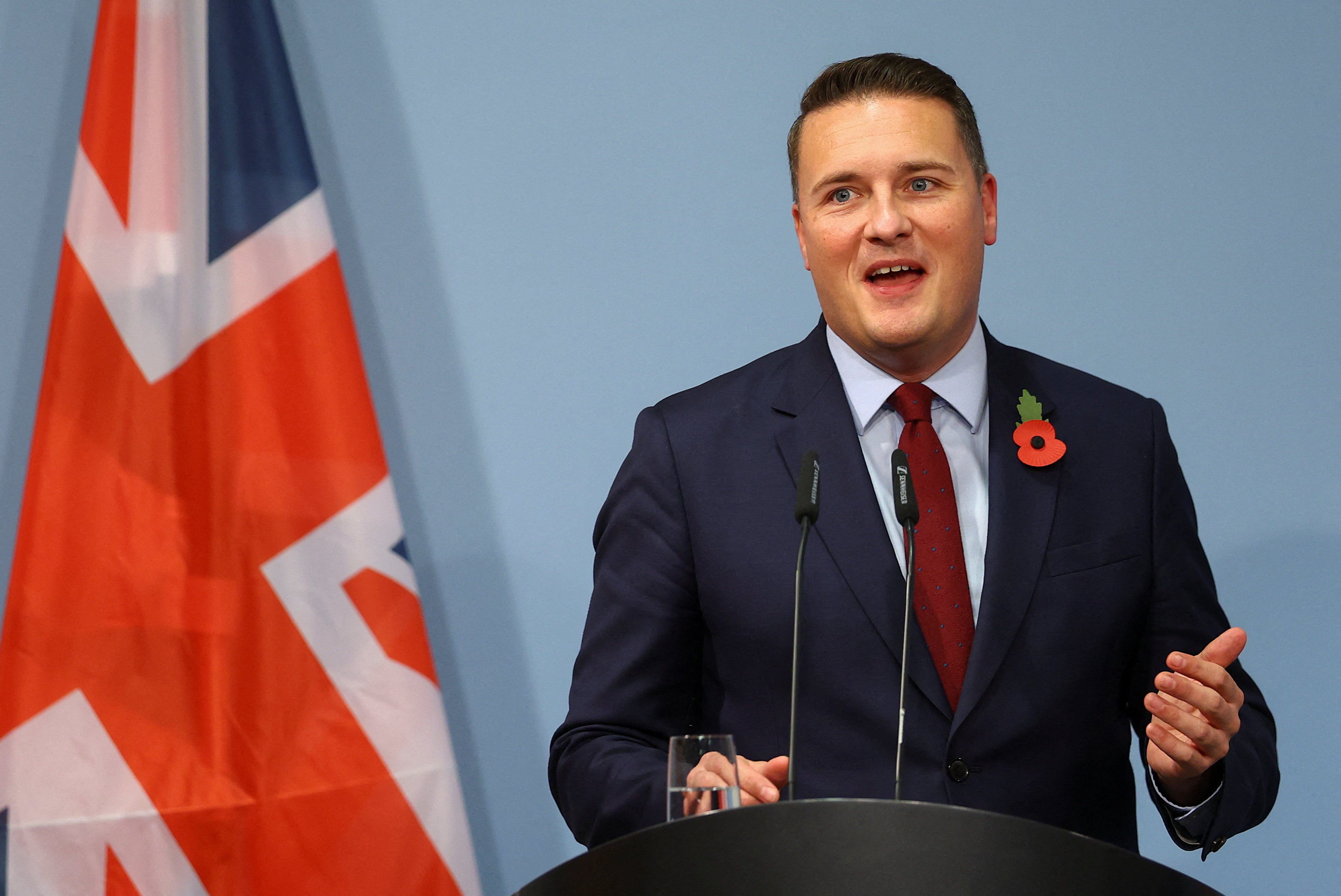
Verdant director James Meadway said: “When you have so many people who can barely afford one day’s worth of food, it is bordering on irresponsible to say you need to be prepared, but we aren't necessarily going to help you out”
“The problem is the government has an individualised approach to dealing with actually a big social problem, which is our increasing exposure to big failures happening in the rest of the world, and perhaps happening here.”
The financial barrier is highest among low-income renters and benefit recipients. One in three council tenants and a quarter of housing association tenants cannot afford the stockpile, compared to just 4 to 5 per cent of homeowners. Seven in ten of those unable to pay are on Universal Credit.
Mr Meadway argues that ministers should look to models adopted by other European nations, including Sweden, which maintain state-backed strategic reserves.
The economist said: “We used to have, until the early ’90s, a stockpile of essential foods in this country.”
"It's kind of tone-deaf... [As if] we live in this magical, globalised world where everything's just supplied if you click your fingers. That doesn't exist anymore."
Another suggested option could be to give a one-off stockpile payment to all 3.1 million households who are unable to afford the checklist, at a cost of £70m to the government.
Verdant’s research echoes warnings made by Trussell – the UK’s largest food bank provider – after the ‘Be Ready’ checklist was published.
Helen Barnard, the charity’s director of policy and research, said at the time: “Millions of people can’t afford to put food on the table and meet other essential costs every week,”
“They have no margin to build up emergency supplies at home – they’re already living through an emergency with insufficient support,” she told LBC.
The 'Be Ready' campaign marks the beginning of a three-year drive to boost household emergency preparedness, launched by Wes Streeting who has warned of threats such as flooding and wildfires.
The defence secretary previously announced that Britain must be ready for war in 1,000 days, as the nation’s adversaries could be ready to attack the UK in 2030.
KioskNews shows a cleaned-up reading view extracted from the publisher’s page — the original always lives on their site, not ours.