All the new driving licence rules introduced in October
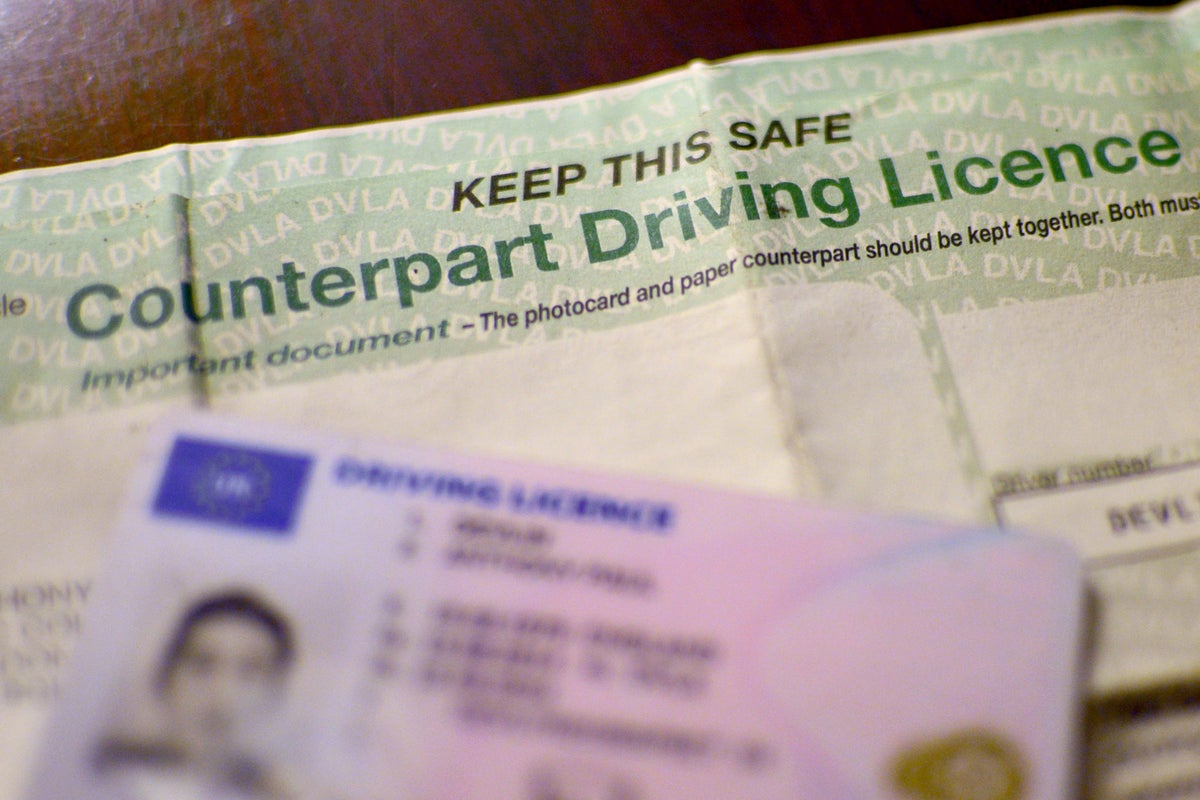
New driving licence restrictions have come into effect, banning young people from carrying certain passengers at night and restricting when learner drivers can take a test.
The changes, which have been launched in Northern Ireland, are aimed at reducing fatal road crashes involving young people.
According to official figures, 17- to 23-year-old drivers were responsible for almost a quarter of all collisions in Northern Ireland in 2024. That is despite them only accounting for 8 per cent of licence holders.
Data also shows that 251 people were killed or seriously injured in collisions involving a young driver in 2024. In 65 per cent of cases, the young driver was at fault.
The changes come after the government announced in January that learner drivers in England and Wales could face a wait of six months between sitting their theory and practical tests.
Here are the changes that have been made to driving licences.

What changes have been made in Northern Ireland?
Northern Ireland has become the first part of the UK to introduce new rules for new drivers.
Graduated driver licensing (GDL), for learner and newly qualified drivers, now applies to all new drivers, but the changes are aimed at those aged 17 to 23 years old.
Learners must spend at least six months getting driving experience before they can take a practical test, and those under 24 face restrictions on carrying young passengers at night.
The rule changes were announced in January 2026, and drivers who do not follow the restrictions could receive three penalty points or a fine of up to £1,000.
What proposals are being considered for drivers born after 2002?
As part of the Road Safety Strategy that was initially developed under Sir Keir Starmer's former government, drivers born after 2002 may face stricter measures.
Andy Burnham’s new government is weighing proposals to implement a "minimum learning period for learner drivers".
Learners, the majority of whom are in their late teens and early 20s, could have to wait six months between their theory test and practical driving test as part of the plans.
Drivers under the age of 25 represent 6 per cent of licence holders but were involved in 24 per cent of fatal and serious crashes in 2024, according to Government figures.
Ministers believe minimum learning periods could help to reduce such collisions by up to 32 per cent, based on evidence from other countries.
Currently, someone can start learning to drive from the age of 17 with lessons on the road.
What has been proposed for drivers in their 70s?
Rather than take a whole new test, the proposal plans for drivers in their 70s to have their vision checked every three years to keep driving on UK roads.
This is also not a new policy announced by Mr Burnham but a policy which was first discussed in August 2025 during Sir Keir Starmer’s premiership, as part of a new road safety strategy.
The proposal went to consultation earlier this year between January and May.
What are the current rules for drivers over 70?
Currently, drivers aged 70 and over must renew their licence every three years and self-declare that they can meet the eyesight standards required to drive. Drivers also must declare any listed medical conditions.
However, the new proposal means drivers will no longer be able to simply say that their eyesight is good – instead, there will be mandatory eyesight tests as part of the licence renewal process.
KioskNews shows a cleaned-up reading view extracted from the publisher’s page — the original always lives on their site, not ours.