China’s AI chipmaker Biren tumbles 12% as it seeks US$510 million in share placement
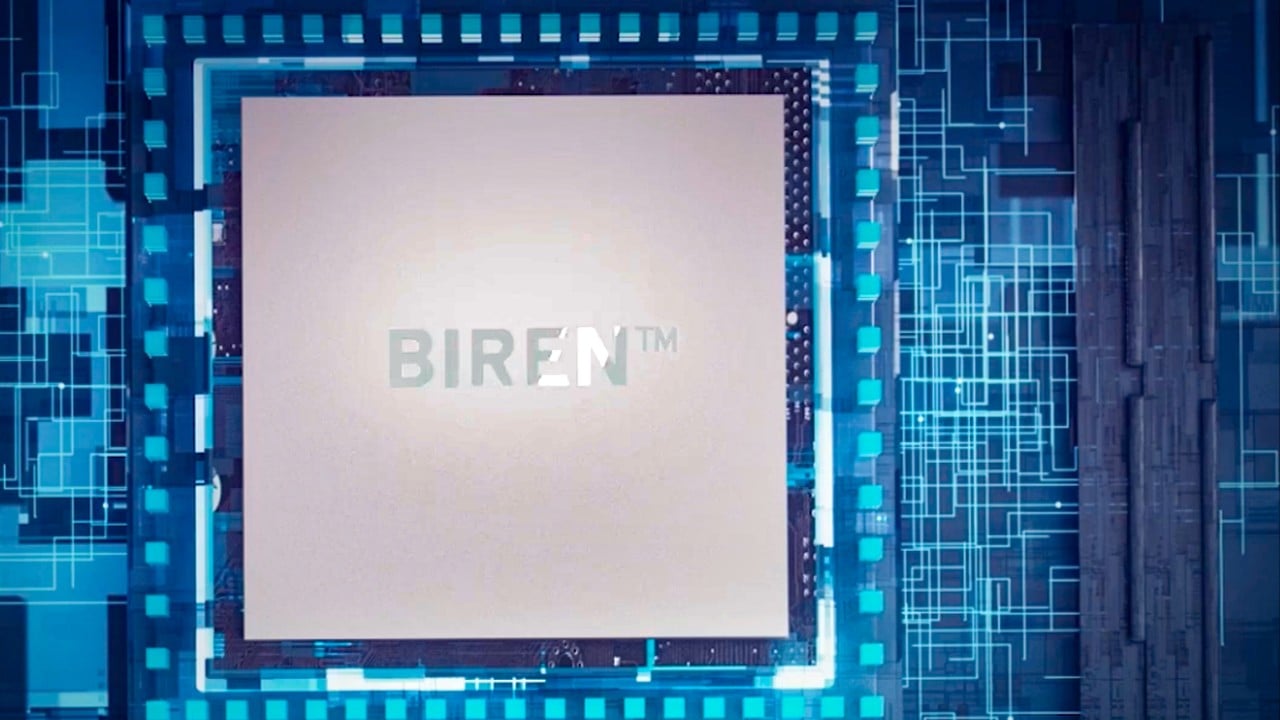
Shares of artificial intelligence chipmaker Shanghai Biren Technology tumbled more than 12 per cent in Hong Kong on Thursday amid plans to raise HK$4 billion (US$510 million) through a share placement, as competition with other Chinese Nvidia challengers intensifies.
The sell-off followed a stock exchange filing by the Hong Kong-listed company on late Wednesday, which revealed it had engaged placing agents on a “best effort” basis to issue 130 million new shares at HK$31.08 apiece.
The offering price represents a roughly 10 per cent discount to the stock’s closing price of HK$34.44 on the previous day. The new shares would account for around 5 per cent of its total issued shares as of Wednesday, according to the filing.
Biren shares dropped to as low as HK$30.24 before closing down 11.9 per cent at HK$30.36 on Thursday.
The capital injection marks the firm’s second share placement since its Hong Kong listing in January, following a previous round in July that raised HK$7 billion, bringing its combined fundraising from the two recent placements to more than HK$11 billion in just three months.
The move adds to a broader frenzy of massive fundraising efforts across China’s semiconductor sector this year, as domestic Nvidia challengers increasingly tap equity markets to bankroll Beijing’s mandate for tech self-reliance. Rivals Moore Threads and MetaX, both listed in Shanghai, have announced plans for a flotation in Hong Kong.
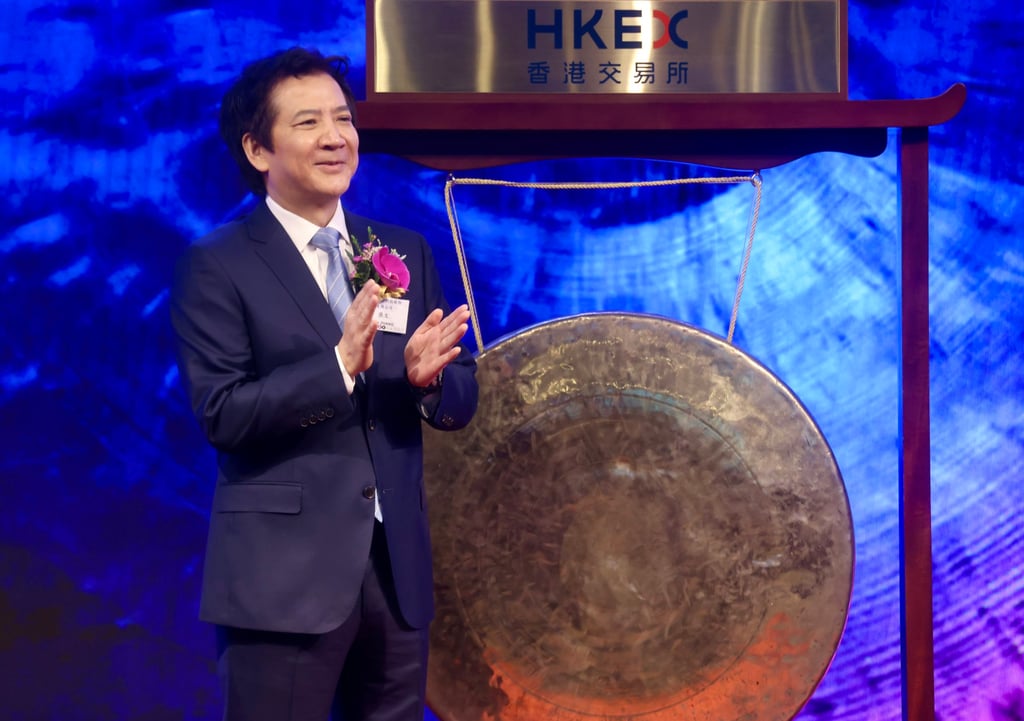
Biren said its latest fundraising was driven by “faster than anticipated” progress in developing its new-generation AI processors and growing demand for computing power.
Its new-generation product had completed initial testing and entered post-silicon validation, bringing it closer to customer sampling and commercial production, according to the filing.
The company plans to allocate about 70 per cent of net proceeds from the new share placement to secure manufacturing capacity, procure components and prepare for the commercial launch of its next-generation products. Another 20 per cent would be used to strengthen research and development (R&D) capabilities and its software ecosystem, while the remaining 10 per cent would support working capital and general corporate purposes, according to the filing.
The latest fundraising comes as Biren reports rapid revenue growth, reflecting China’s expanding market for domestically developed AI processors, although the company has yet to turn a profit.
In the first six months of 2026, its revenue surged around 21-fold to 1.24 billion yuan (US$184.9 million), driven largely by increased sales of its intelligent computing solutions. Its net loss narrowed to 377 million yuan, compared with 1.6 billion yuan a year earlier.
Despite the improvement, Biren continues to spend heavily on developing its processors and related technologies. R&D expenses rose 40.7 per cent to 804 million yuan in the first half.
KioskNews shows a cleaned-up reading view extracted from the publisher’s page — the original always lives on their site, not ours.