Gazans desperate to leave still struggling to do so, even as Israel claims door is open
Appearing on a screen from his home in Spain, 30-year-old Ezzadeen Shehab looked like any ordinary young European studying for a master’s degree in writing.
Clutching a pen, with a piece of artwork propped next to a cabinet behind him, Shehab appeared ensconced in domestic tranquility. The comfortable scene, though, belied the struggles and suffering of a young man who had spent the last three years on an odyssey to leave the Gaza Strip following Hamas’s October 7, 2023, massacre and the war that erupted in its wake.
Shehab was born and raised in Jabalia in the northern Gaza Strip. After finishing school, he left for Egypt to pursue higher education, eventually moving to Isfahan, Iran, to study medicine.
0:00 / 0:00
Promoted: Nefesh B'Nefesh - Aliyah is Now

Throughout his nine years of studies in Iran, he did not return to Gaza once. His first trip home, to celebrate completing his studies, came on October 4, 2023. He planned to stay for a few days and then leave for a medical internship in Germany.
Nearly three years later, at the end of July 2026, Shehab finally left Gaza, going to Spain instead of Germany after receiving a scholarship for a master’s degree in writing.
Get The Times of Israel's Daily Edition by email and never miss our top stories
By signing up, you agree to the terms
He won the scholarship after his writings on the war, initially published on social media, were turned into a book, “Diary of a Young Doctor: Notes From the Genocide in Gaza,” published earlier this year by Scribe UK.
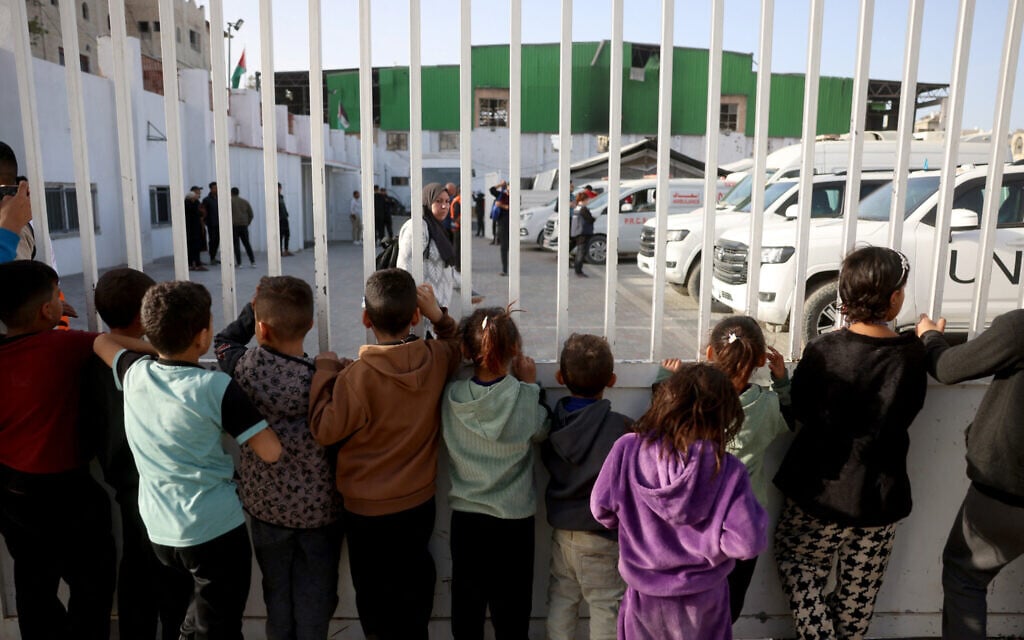
Israel’s government says it wants Gazans to leave the territory, and many Palestinians are eager to escape the rubble-strewn and poverty-stricken enclave.
But nearly a year after the ceasefire that began in October 2025, Gazans still face immense difficulties when trying to leave the Strip.
The main obstacle is finding a country willing to accept them. But even for those who do have somewhere to go, bureaucratic hurdles stemming from the situation inside Gaza can make the process of leaving lengthy and uncertain.
A slight rise in departures
Exclusive data obtained by The Times of Israel from authorities overseeing the crossings illustrates the scale of the bottleneck.
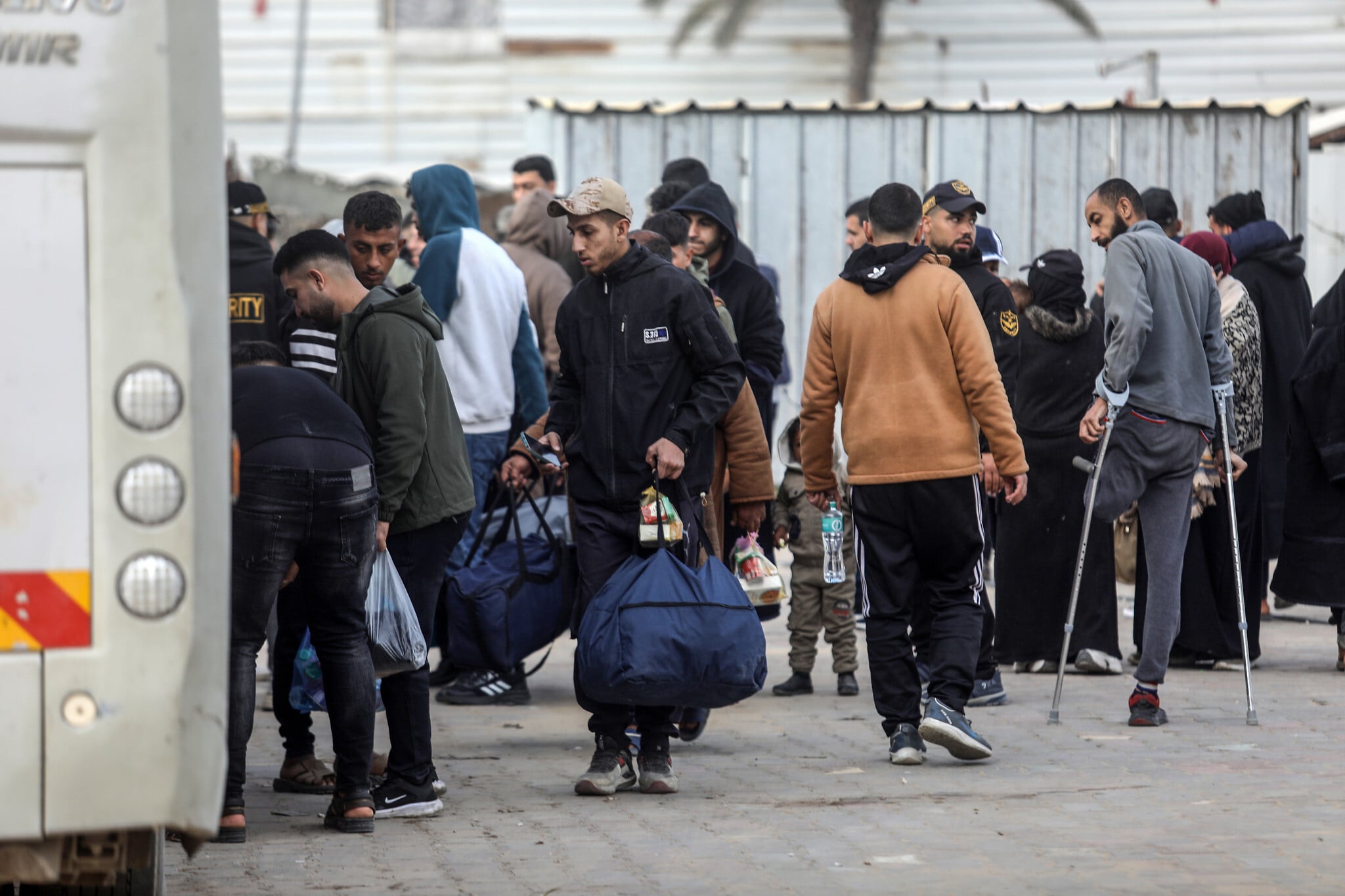
Since the ceasefire began, some 10,500 people have left Gaza — more than 6,000 through the Rafah Crossing with Egypt and some 4,500 through the Kerem Shalom Crossing with Israel.
The figure is only slightly higher than during a comparable period of the war: Between June 2024 and July 2025, some 8,000 Gaza residents left the Strip, indicating that the complicated mechanism governing departures has remained largely unchanged since the ceasefire.
That is despite the Defense Ministry announcing the establishment of a directorate for the “voluntary departure” of Gaza residents in early 2025, saying it was meant to help hundreds of thousands of Palestinians get to third countries.
The Israeli move came after US President Donald Trump unveiled an initiative that envisioned relocating some 2 million Gaza residents outside the Strip as part of a broader proposal for ending the war.
But the 20-point plan Trump presented in September 2025 took a markedly different approach.
“No one will be forced to leave Gaza, and those who wish to leave will be free to do so and free to return. We will encourage people to stay and offer them the opportunity to build a better Gaza,” the plan stated — an apparent reversal from his initial proposal to relocate Gaza’s entire population.
Nonetheless, Defense Minister Israel Katz said earlier this month that the initial plan was still under discussion between Israel and the US, though the White House denies this. Katz claimed surveys showed that around 80 percent of Gazans sought to leave but had nowhere to go.
“There is no real solution for Gaza in the end without this migration,” Katz said at a conference on September 2. “Hamas isn’t allowing them [to leave], and there are no countries in the world taking them in. President Trump put the issue on the agenda. Now every country needs to take people in — and that’s the big issue.”
Should other countries be open to taking in Gazans, Katz said the Israeli government “is organized and prepared to get them out — by sea, by air, by every way possible.”
Members of the international community have repeatedly accused Israel of attempting to facilitate the mass transfer of Gaza’s Palestinian population, a charge Prime Minister Benjamin Netanyahu denies.
Netanyahu’s office declined to comment.
However, right-wing politicians, including figures in his government, have repeatedly called for efforts to encourage Gazan emigration.
In recent weeks, as Israel heads toward elections, several political parties — including the far-right Otzma Yehudit party and a party headed by controversial former IDF general Ofer Winter have stressed that they would promote “voluntary migration” from Gaza as part of the next government.
Thanks to disastrous living conditions, many Gazans seem willing to take Israel up on the offer, though some experts note that there is nothing voluntary about migration under such circumstances, accusing Israel of pursuing a policy of ethnic cleansing. For now, those trying to leave contend that their efforts are being stymied rather than facilitated.
No contact between Gazans and Israel
When the war broke out on October 7, Israel completely sealed off its border with the Strip, though the Rafah Crossing into Egypt remained open for those wishing to leave.
The Egyptian company Hala facilitated the departure of anyone able to pay — around $5,000 per person — regardless of whether they had ties to a third country or required medical treatment, subject only to security approval by both Israel and Egypt.
Shehab’s plans to leave for Germany were stymied by the suddenly steep price of exiting, as well as the difficulty of reaching Rafah, at the Strip’s far southern edge, from his family home in Jabalia, on the other end of the suddenly war-sundered enclave.
The IDF’s capture of the Gaza-Egypt border in May 2024 led to Rafah being closed for several months, making it impossible to leave the Strip.
Beginning in July 2024, Israel started allowing a limited number of medical evacuations from Gaza to third countries through the Kerem Shalom Crossing into southern Israel. From there, evacuees would either travel to Ramon Airport near Eilat for a flight to their destination or travel overland to Jordan and fly from there.
The evacuations began following a petition filed by several human rights organizations — Gisha, Physicians for Human Rights Israel and HaMoked: Center for the Defense of the Individual.
In early February 2025, Israel began allowing Gazans with certain kinds of visas for third countries to leave through Kerem Shalom using the same mechanism, even if there was no medical necessity.
The Rafah crossing has been reopened since February of this year, though Egypt no longer accepts Gazans simply on the basis of payment. Instead, only those with permission to seek specialized medical care may enter. Cairo also allows some Gazans to transit via Egypt to a third country, so long as they have a visa and a connection to the foreign locale, such as family or a job there.
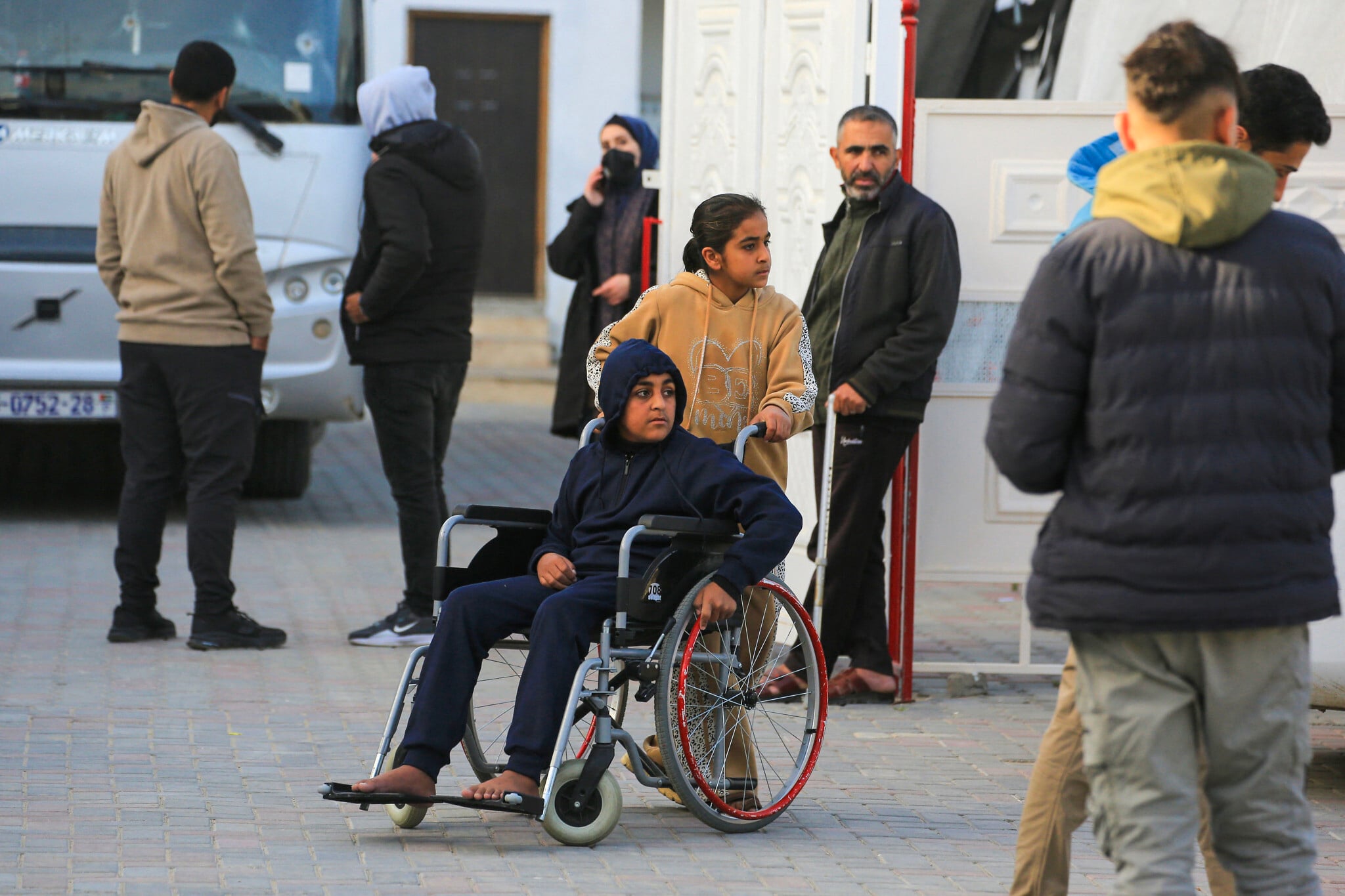
France, for example, accepted a group of 115 Gazans in July 2025 through its PAUSE program for “scientists and artists in exile.” The program is intended to allow researchers, academics and artists who cannot continue their work in their home countries because of war, persecution or security threats to relocate to France and continue their work there.
A scholarship to study in a third country is also a ticket out via Egypt, so Shehab began trying to find a school willing to sponsor him.
He began applying widely, contacting institutions and officials in more than 20 countriesin hopes of finding a way to leave.
“In the end, I wrote a book [about life during the war] and got a scholarship for a master’s degree in literature in Spain in January 2025,” he said.
Thanks to the book, he was able to get in touch with a professor at a Spanish university, who helped him secure the scholarship.
Gazans wishing to leave must coordinate their exit with Israeli authorities, but the standard liaison for such approvals, the Palestinian Authority, plays practically no role in the process, according to both Shehab and Shai Grinberg, a spokesperson for the Gisha rights group, which assists Gazans seeking to leave the Strip.
At most, said Grinberg, the PA may sometimes assist with issuing documents, such as Palestinian passports, or forwarding travel papers to relevant authorities.
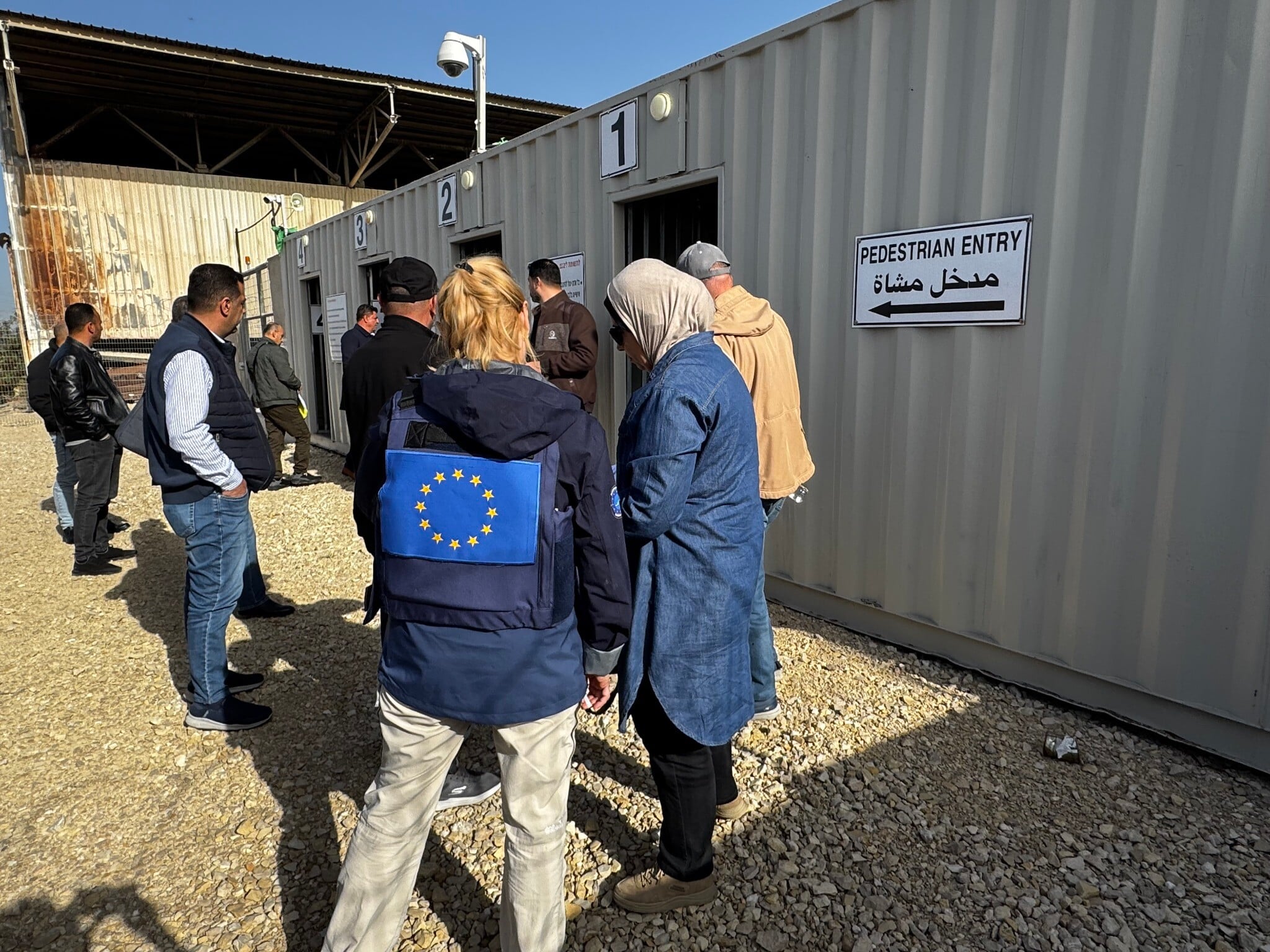
Instead of the PA, the host country’s local mission serves as the intermediary between the two sides: On one end, it communicates with the Gaza resident to complete the visa process; on the other, it works with the Coordinator of Government Activities in the Territories, which carries out a security screening of the individual whom the country is seeking to evacuate.
COGAT, a Defense Ministry body which deals with Palestinian civilian affairs, confirmed to The Times of Israel that a Gazan seeking to leave the Strip communicates only with the relevant foreign embassy, and not with Israeli authorities.
In Shehab’s case, the university that agreed to sponsor him contacted Spain’s Foreign Ministry to begin the process of coordinating his departure from Gaza with Israel.

Only countries that have diplomatic relations with Israel and maintain a mission in the country capable of working with COGAT can use the mechanism to evacuate Gaza residents they have agreed to accept.
Though ties between Israel and Spain have frayed significantly over the Gaza war in recent years, Madrid continues to maintain an embassy in Tel Aviv that could coordinate the departure.
According to Grinberg, some countries that have diplomatic relations with Israel have refused to operate through the mechanism, meaning Gazans cannot travel there from the Strip. She declined to name the countries.
She added that the level of effort and involvement varies considerably from country to country.
“There are countries that have been significantly involved in evacuating residents from Gaza, and there are countries that, unless we’re talking about their actual citizens [who need to be evacuated, rather than family reunification and other cases], tend not to help,” she said.
Connections needed
For Shehab, getting the scholarship was just the first step of a process that would force him to stick around Gaza for an extra year and a half.
Most of the scholarship and visa application process could be completed online. But to finalize it, Shehab was required to send physical documents to the Spanish Consulate General in Jerusalem, which handles matters concerning residents of Gaza and the West Bank.
For a Gaza resident, that seemingly mundane requirement presented an enormous obstacle. Since the war began, postal services connecting Gaza with the outside world have ceased operating, leaving residents unable to mail documents abroad.
“The university asked me for documents that I had to send to them at the [Spanish mission] in Jerusalem. How was I supposed to send something to Jerusalem?” Shehab recalled.
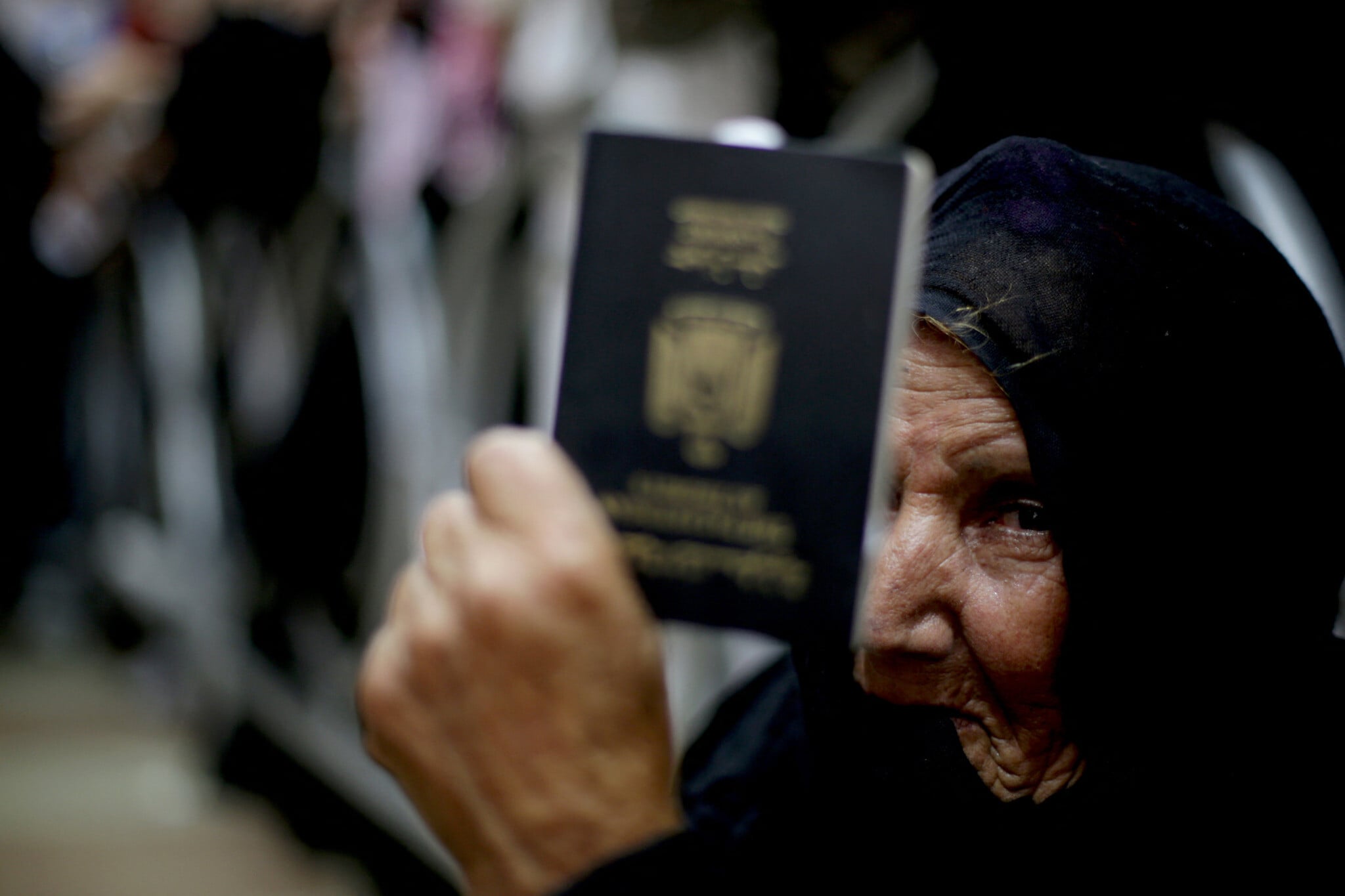
In the end, he relied on a chain of friends and acquaintances spanning international borders who managed to get his paperwork from Gaza to Jerusalem, normally a journey of some 70 kilometers (43 miles).
“There are medical delegations, for example, that come into Gaza, so I sent documents with them and they took them to Jordan. Then I asked someone I know in Jordan to send them to Jerusalem. I knew a woman in Jerusalem who picked them up and got in touch [with the consulate],” he said.
Grinberg pointed to another bureaucratic hurdle often faced by Gazans: Many countries require applicants to provide biometric data before issuing a visa, but no machines with requisite scanning capabilities exist inside Gaza. So Palestinians must appeal for an exemption.
“There are countries that are willing to exempt Gaza residents from the normal procedure,” she said. “In those cases, it is sometimes possible to approve the visa application in principle in advance, evacuate the person to Jordan, and only there complete the submission of biometric data at the embassy of the receiving country.
“Without such an exemption, obtaining a visa to many countries [that require biometric data] is currently impossible for residents of the Gaza Strip,” Grinberg added.
Shehab finally left Gaza on July 22, alongside four other students who had also received scholarships to study in Spain and a family — a mother and her four young children — who flew to Spain under a family reunification arrangement.
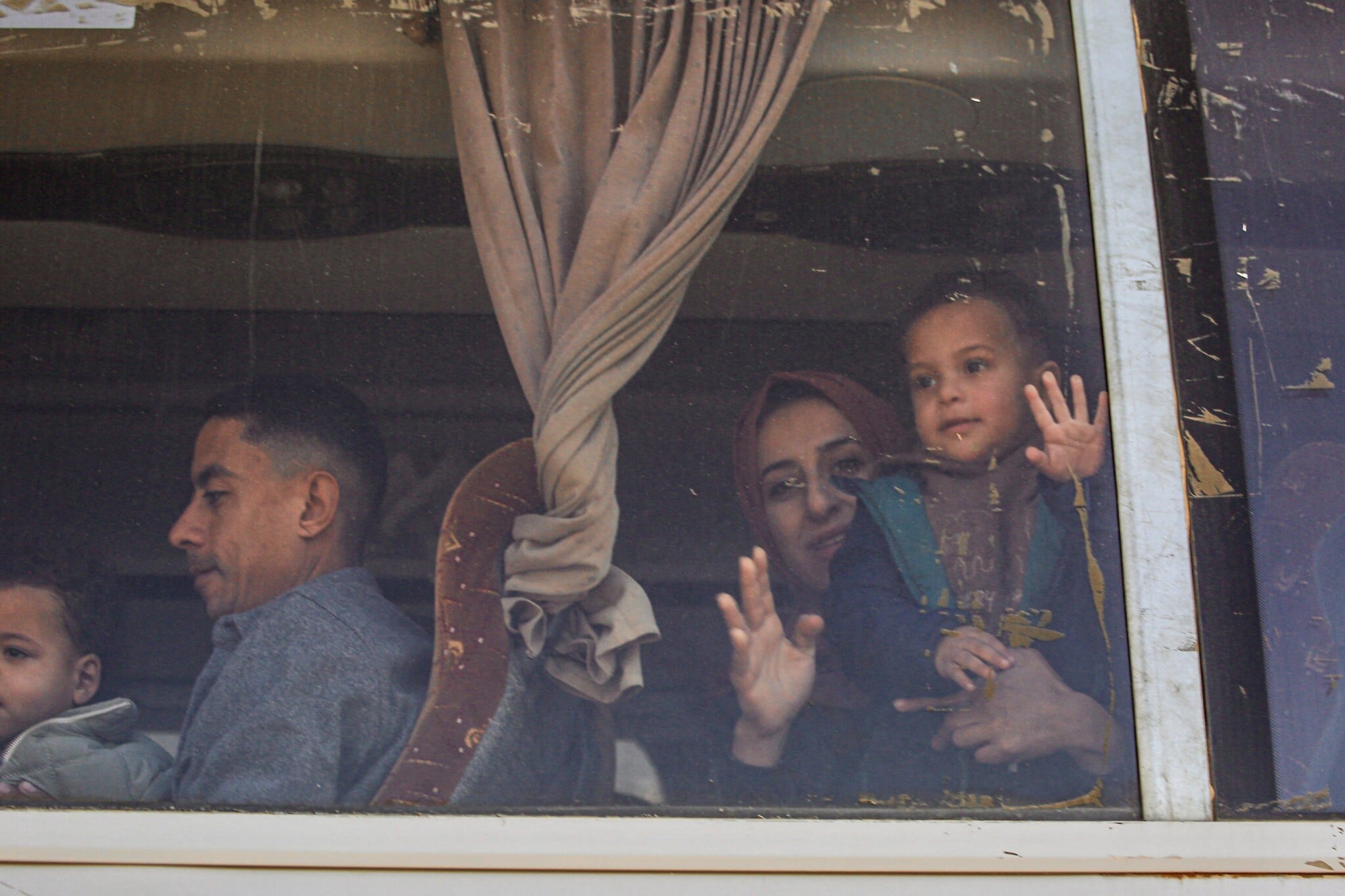
It remains unclear why it took 18 months for Shehab to complete the process and leave, but he thinks the delay may have been due to security screenings he was required to undergo. Because the doctor flew through Jordan, he had to be authorized by Amman as well as Israel before he could finally fly to Spain.
He also thinks well-placed contacts could have expedited the process.
“It’s all about connections,” he said. “I know people, but I don’t have powerful connections. Someone who can reach a senior official in the foreign ministry of some country can get out more easily.
From the safety of Spain, Shehab looks back at those months of waiting as a time that was fraught with life-threatening risk in the enclave, where military strikes have persisted even after the ceasefire.
“Time costs blood in Gaza,” he said.
Three of Shehab’s brothers remain in Gaza, and he is now trying to find a way to get them out as well, by obtaining student visas to study abroad.
The delay in Shehab’s case is far from unique. According to the NGO Gisha, the organization has assisted with hundreds of legal cases over the past couple of years involving Gaza residents seeking to leave the Strip — whether for medical treatment, studies or family reunification. Gisha says their departures were delayed for months even after they had obtained the necessary approvals from the countries willing to receive them.
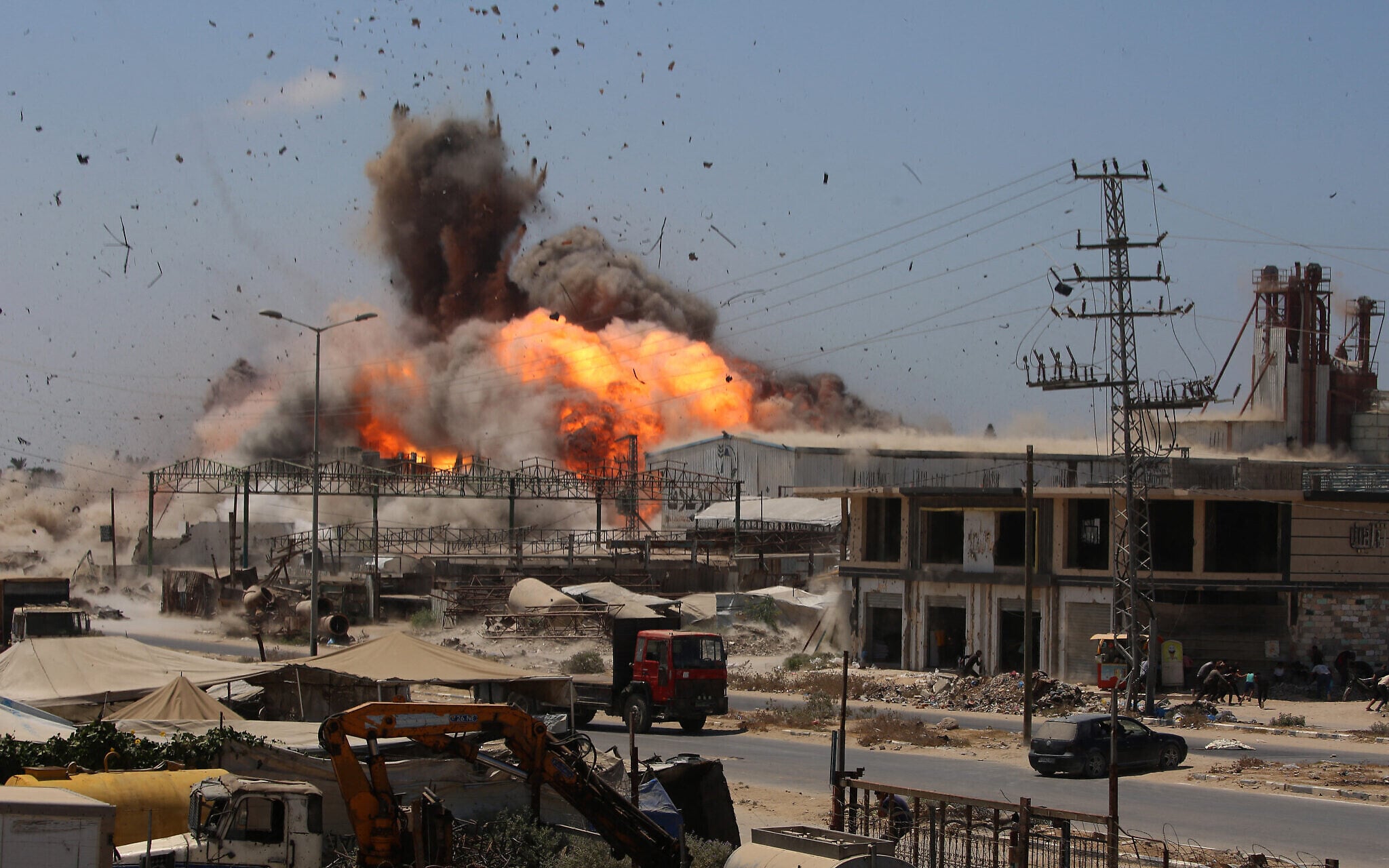
Grinberg told The Times of Israel that in many cases, one of the obstacles was an unexplained Israeli “security preclusion” preventing an individual from leaving. Sometimes those restrictions would be lifted if challenged on legal grounds, including in petitions to the High Court of Justice.
“This demonstrates the arbitrary way in which these security preclusions are imposed,” she argued.
A security official told The Times of Israel in response that “98% of all requests for evacuation to third countries — both medical evacuations and those for other reasons — are approved, and requests for Gazans to leave are handled immediately, with a response provided within a matter of days.”
The official stressed that “there is no limit on the number of people who can leave as part of these evacuations. We encourage countries to carry out more evacuations.”
In the waiting room
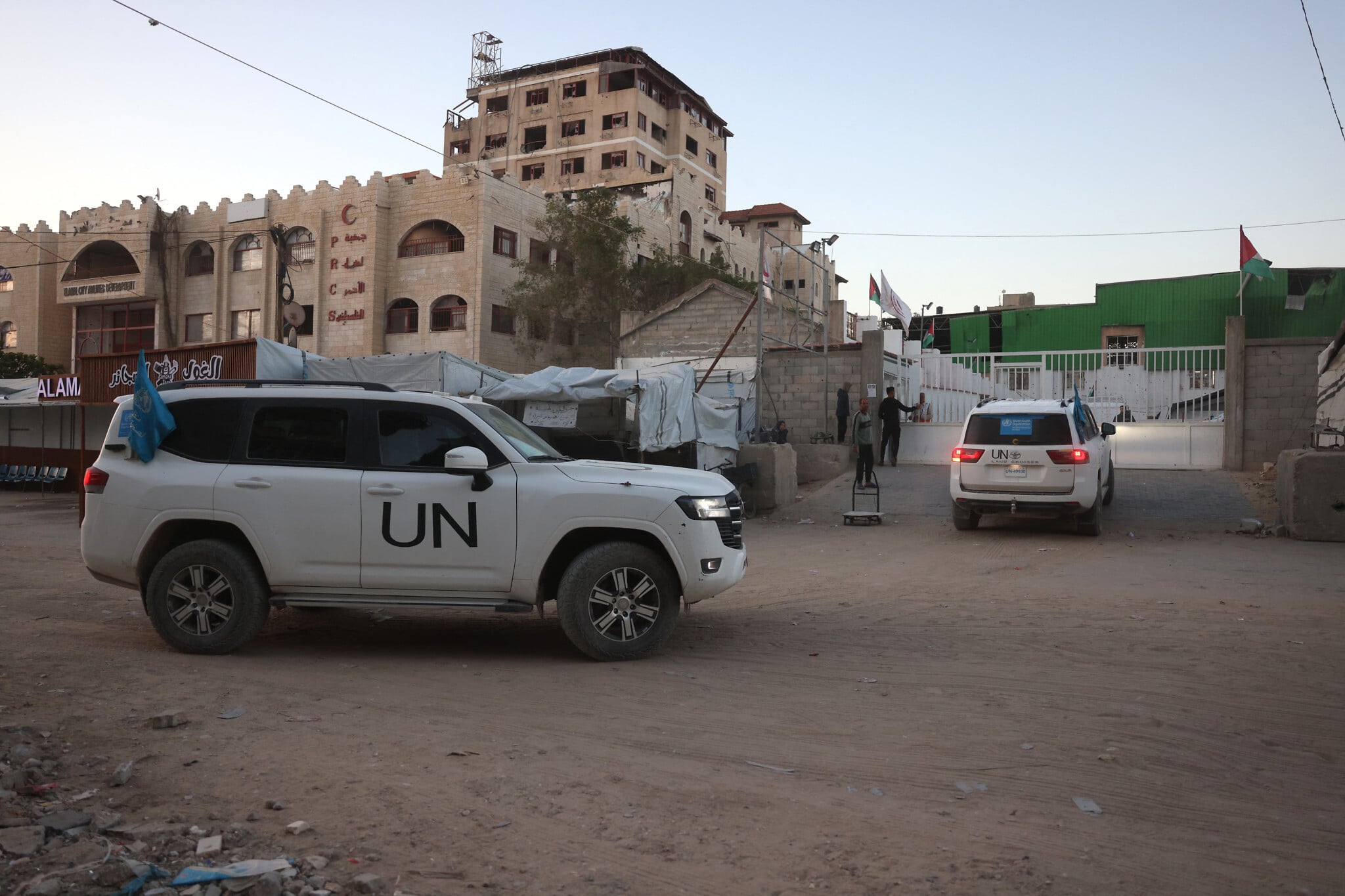
Many Gazans who leave the Strip do so for health reasons, with the World Health Organization planning medical evacuations to third countries for patients and those wounded during the war.
Even before the fighting, Gaza’s healthcare system offered a far more limited range of medical services than those available in Western countries, particularly when it came to cancer treatment and other forms of specialized care.
As a result, many Gazans requiring treatment unavailable in the Strip regularly traveled to hospitals in Israel or the West Bank. Treatment was generally funded by the Palestinian Authority — or, in rarer cases, by humanitarian organizations — while their passage was coordinated between Israel and the PA through the latter’s Civil Affairs Committee.
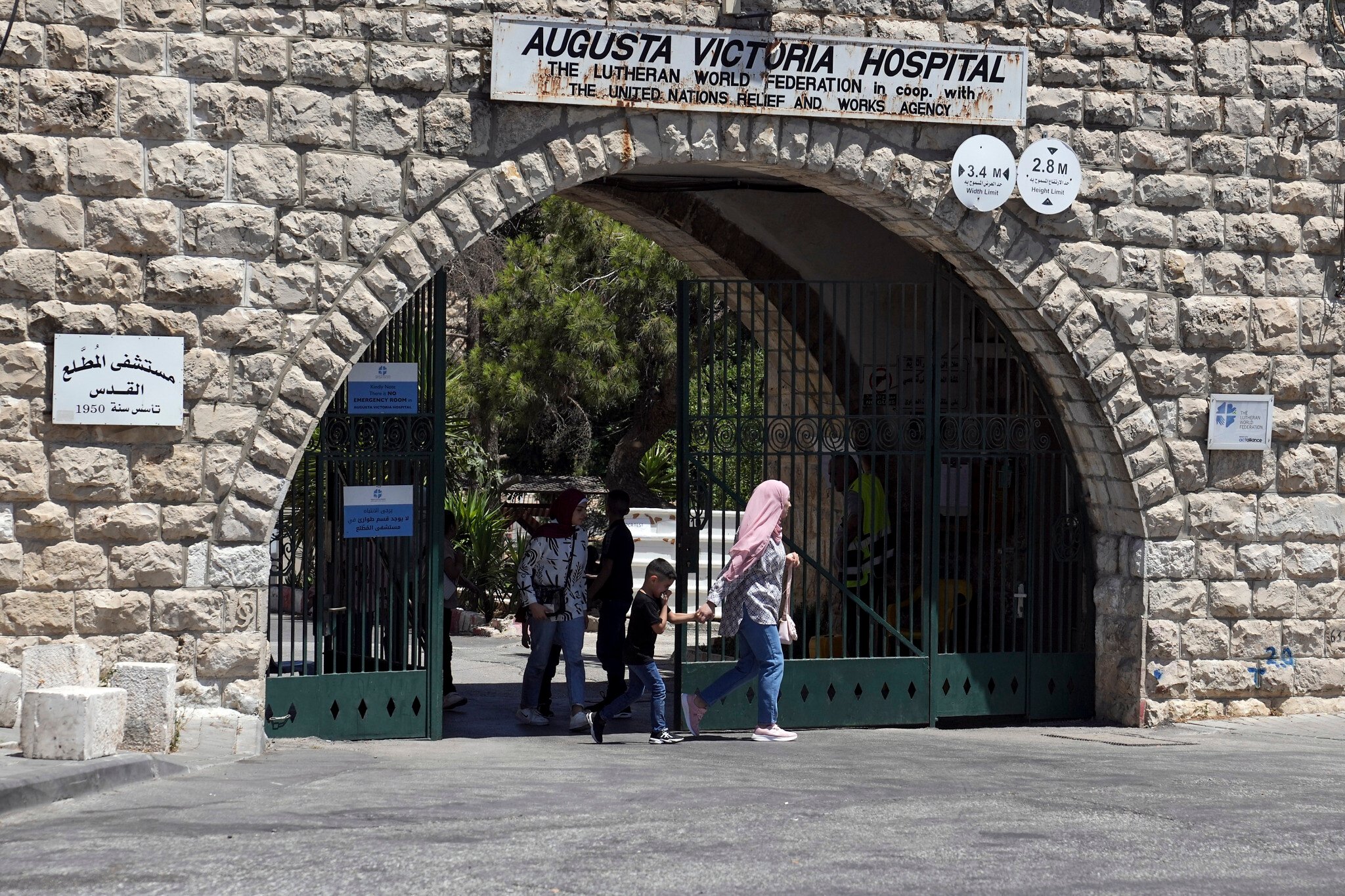
Gazans were able to leave for treatment after securing funding for their care and receiving Israeli security clearance.
Following the outbreak of the war, Israel stopped allowing Gazans to travel to Israel or the West Bank for treatment. This included Palestinian hospitals in East Jerusalem that have dedicated funding for treating Gazans and a long history of offering them care.
The process of securing a medical evacuation from Gaza involves several stages, according to officials and others familiar with the system who spoke with The Times of Israel. The most critical hurdle comes at the end: finding a country willing to accept the patient or wounded person, along with the family members accompanying them.
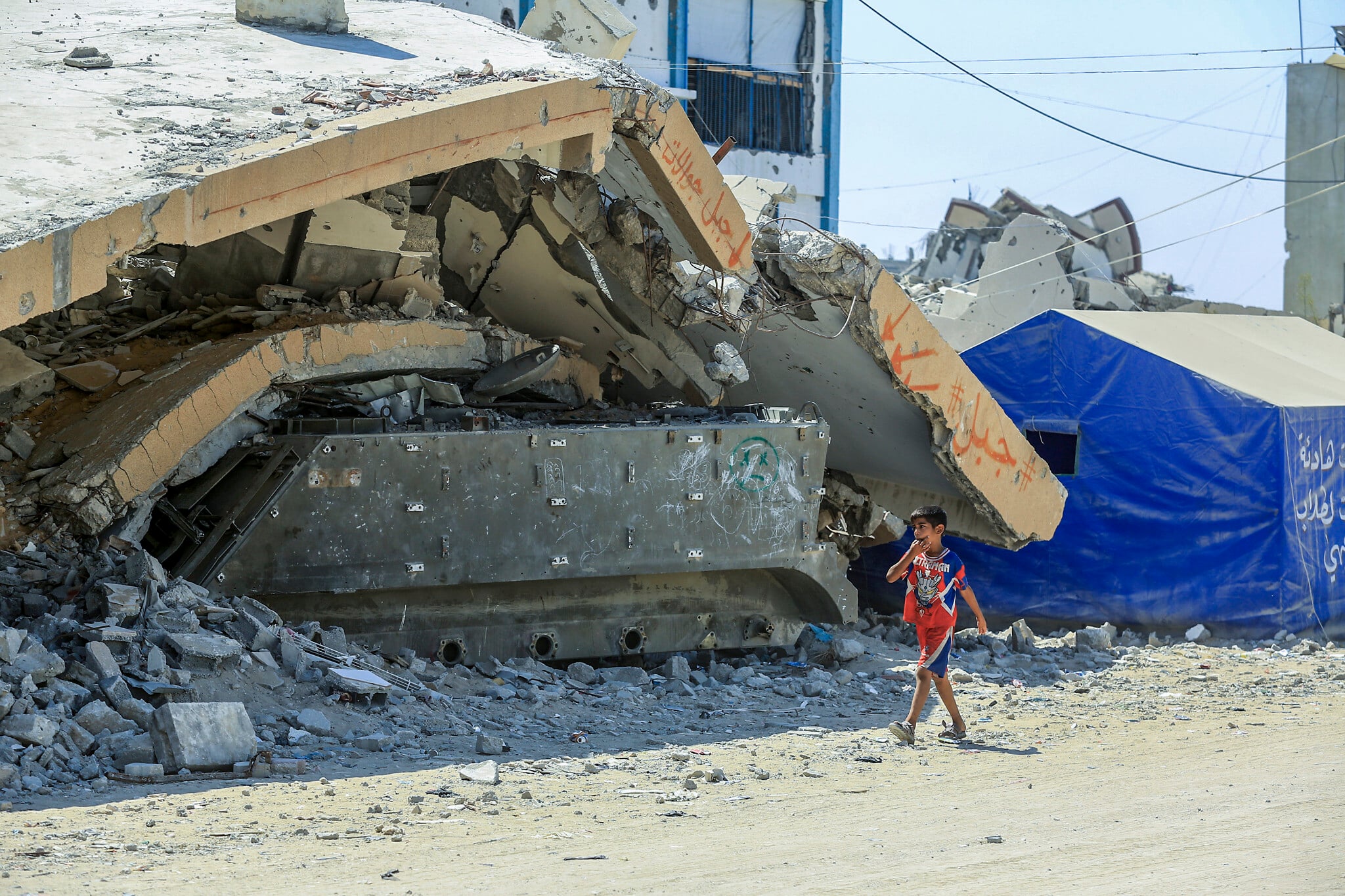
Before reaching that point, every patient or wounded person seeking evacuation, usually for serious and life-threatening conditions, must receive approval for medical treatment abroad from a committee of specialist physicians operating under Gaza’s Health Ministry, which is controlled by Hamas. Once approved, the patient’s name is transferred to the World Health Organization, which is responsible for matching patients with countries willing to host them for treatment.
According to WHO figures, as of September 24, 2026, over 13,600 patients had been medically evacuated from Gaza to third countries, with the vast majority going to Egypt.
Receiving approval for a medical evacuation, however, is no guarantee that a patient will actually be able to leave.
In March, the WHO said that “over 18,500 patients in Gaza remain in urgent need of medical care that is not available locally.”

Since April, the number of evacuations via WHO missions has stepped up considerably, from around 100 per month to between 350 and 450 every month.
However, many continue to wait for rescue, including Saad Abu Aita, 49, who was wounded at the beginning of the war and has been waiting ever since for a medical evacuation abroad that has yet to materialize.
“On October 14, 2023, a week after the war started, my home was bombed and I was wounded,” Abu Aita told The Times of Israel. “My father and two of my children were killed in the bombing. My mother, my wife, two of my other children and I survived.”
“I was wounded in my arm. I have a disability in that arm today, and I still have shrapnel in my chest,” he said.
Abu Aita said he was treated at several hospitals in Gaza and underwent multiple operations. After one of the procedures, he met an American doctor who told him that the surgery had not been successful and that he needed another operation.
“I told him it would be difficult for me to undergo another operation [in Gaza], so he wrote me a referral for treatment abroad,” Abu Aita recalled.
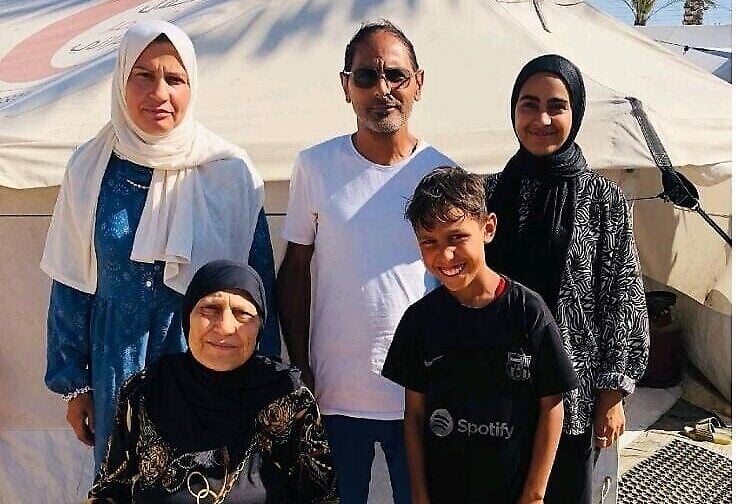
According to Abu Aita, the doctor helped him prepare the medical documentation needed to submit his case to the committee and obtain approval for evacuation — certifying that his medical need was serious enough to warrant treatment outside Gaza, and that his health was also stable enough to make the journey.
He received the document in March 2025. But no country has since agreed to receive him.
How countries select the care-seeking Gazans they are willing to receive is not transparent, and varies country to country. Announcements about individual evacuation missions to select countries usually include information about what types of patients the receiving country wishes to prioritize at that time.
“There are a lot of problems with the countries that receive people. There is a lack of willingness to accept people from Gaza,” said Abu Aita. “I think the Israeli side is willing to open the crossings and let people out, but there is a problem with the countries that receive them.”
Abu Aita said restrictions imposed by receiving countries on the number of relatives permitted to accompany a patient can also leave families facing an agonizing choice.
“There are [countries] that say only two people can accompany a wounded person,” he said. “Someone leaves with an escort and leaves their family in Gaza – and then families are split up.”
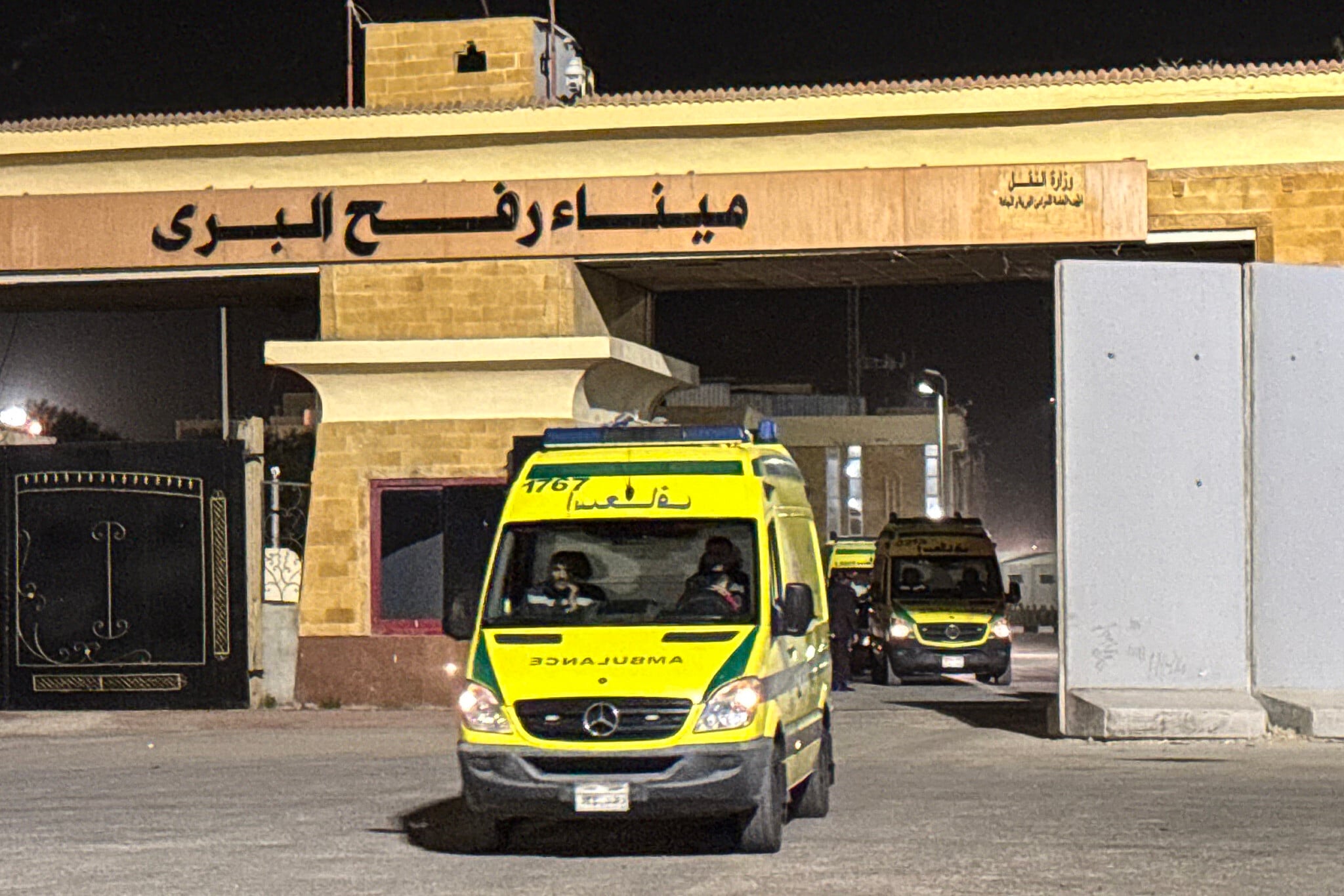
A source familiar with the evacuation process confirmed to The Times of Israel that receiving countries themselves determine which categories of patients or wounded people they are willing to accept. Their participation also entails agreeing to cover the costs of treatment and the patients’ stay in the country, as well as those of their accompanying relatives.
In July 2024, for example, the United Arab Emirates received 85 sick and severely wounded patients from Gaza. According to the WHO, 53 of the patients had cancer, while 20 had trauma injuries and the remainder suffered from a range of other conditions.
According to UN data, around half of all patients evacuated in WHO missions have been listed as suffering “trauma” or cancer.
Abu Aita said living with his injuries in Gaza has been a struggle as he waits for someplace to take him in.
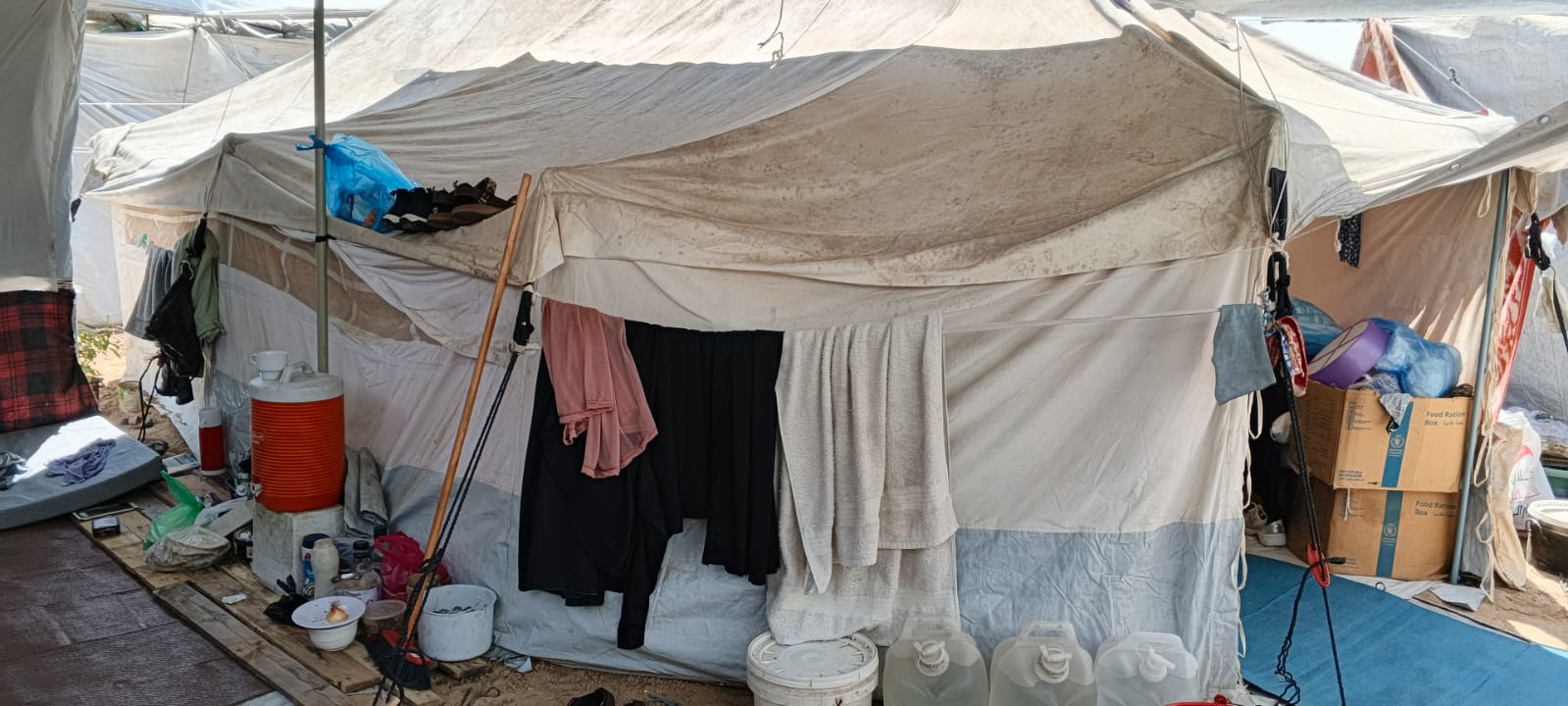
“The situation is extremely difficult. I’m an injured person living in a tent in central Gaza. I can’t work, I can’t provide anything [for my family],” he said. “In the morning, you have to go get water [from a water tank]. My children – my 14-year-old son and my 18-year-old daughter – go with me because, because of my injury, I can’t go and get the water myself.”
‘Let us leave’
For Gazans, the prospect of leaving the Strip for safety, a better life, health reasons or otherwise can be weighted with political significance.
Despite catastrophic living conditions in the enclave, Palestinians, as well as many Arab leaders, have an interest in making sure Gazans maintain their hold on the territory, thwarting plans espoused by some far-right Israeli politicians to thin out Gaza’s population and repopulate the Strip with settlers, neutralizing Palestinian national aspirations.
“The Palestinian Authority and Arab countries don’t want Palestinians from Gaza to leave, because then it becomes an issue of migration,” Shehab said.
The PA did not respond to a request for comment.
Countries that might otherwise be willing to take in refugees are likewise reluctant to cooperate with a process that could bolster Israeli settler revanchists and undermine movement toward Palestinian statehood.
Rather than moving Palestinians elsewhere, international players, particularly through the Board of Peace, are pursuing a strategy that will improve Gazans’ lives by rehabilitating the Strip.
Early in the war, Egyptian President Abdel Fatah el-Sissi warned that allowing mass Gazan migration would “eliminate the Palestinian cause … the most important cause of our region,” an idea he has continued to espouse in the three years since the attack.
In the meantime, though, Gazans say they are suffering and desperate for a reprieve, even if an exodus is not politically convenient.
“I’m telling you what people on the street [in Gaza] are saying, not as someone who hates the land,” said Shehab. “We love the land. We are Palestinians and we grew up there. But enough – let us leave.”
KioskNews shows a cleaned-up reading view extracted from the publisher’s page — the original always lives on their site, not ours.