Govt eyes HPV vaccination for boys amid low second-dose uptake among girls

NAIROBI, Kenya, Nov 3 – The government is considering extending the Human Papillomavirus (HPV) vaccination programme to boys as Kenya steps up efforts to prevent cervical cancer and other HPV-related diseases.
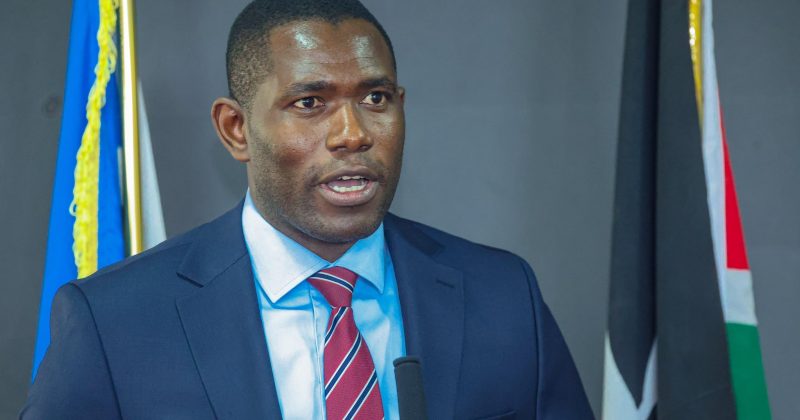
Medical Services Principal Secretary Ouma Oluga said vaccinating boys could become an important part of the country’s long-term disease prevention strategy, although the current programme remains focused on girls.
His remarks come amid concerns over low completion rates for the HPV vaccine among girls, with the latest Kenya Mini Demographic and Health Survey showing that only 20 per cent have received the recommended second dose.
The survey found that 59 per cent of girls had received at least one dose of the HPV vaccine, an increase from 30 per cent recorded in the 2022 survey.
However, the significant drop between first-dose and second-dose coverage raises concerns about Kenya’s ability to ensure that more girls complete the recommended vaccination schedule.
Oluga acknowledged that more efforts are needed to strengthen HPV vaccination and expand protection against the virus among young people.
He said the government could consider extending the programme to boys in the future, describing it as an important area for further attention.
“Maybe in the future, we will also consider vaccinating boys,” Oluga said.
The PS also highlighted the burden of cervical cancer in Kenya, saying the disease affects approximately 7,000 women every year.
Cervical cancer is largely caused by persistent infection with high-risk types of HPV, a common virus primarily transmitted through sexual contact.
HPV vaccination before exposure to the virus offers the strongest protection against infection and related diseases.
While HPV vaccination programmes have traditionally prioritised girls because of the vaccine’s role in preventing cervical cancer, vaccinating boys can also help reduce transmission and protect them against other HPV-related conditions, including certain cancers.
The latest survey figures suggest that Kenya has made progress in increasing access to the first HPV vaccine dose, with coverage rising from 30 per cent in 2022 to 59 per cent.
However, the fact that only 20 per cent of girls have received the second dose points to persistent challenges in follow-up, public awareness and access to vaccination services.
Expanding the programme to boys would require additional planning and resources, with the government yet to announce a timeline for the proposed intervention.
Oluga’s remarks therefore signal a possible future policy direction rather than an immediate change to the national HPV vaccination programme.
KioskNews shows a cleaned-up reading view extracted from the publisher’s page — the original always lives on their site, not ours.