Turtle nests found in La Union beach towns
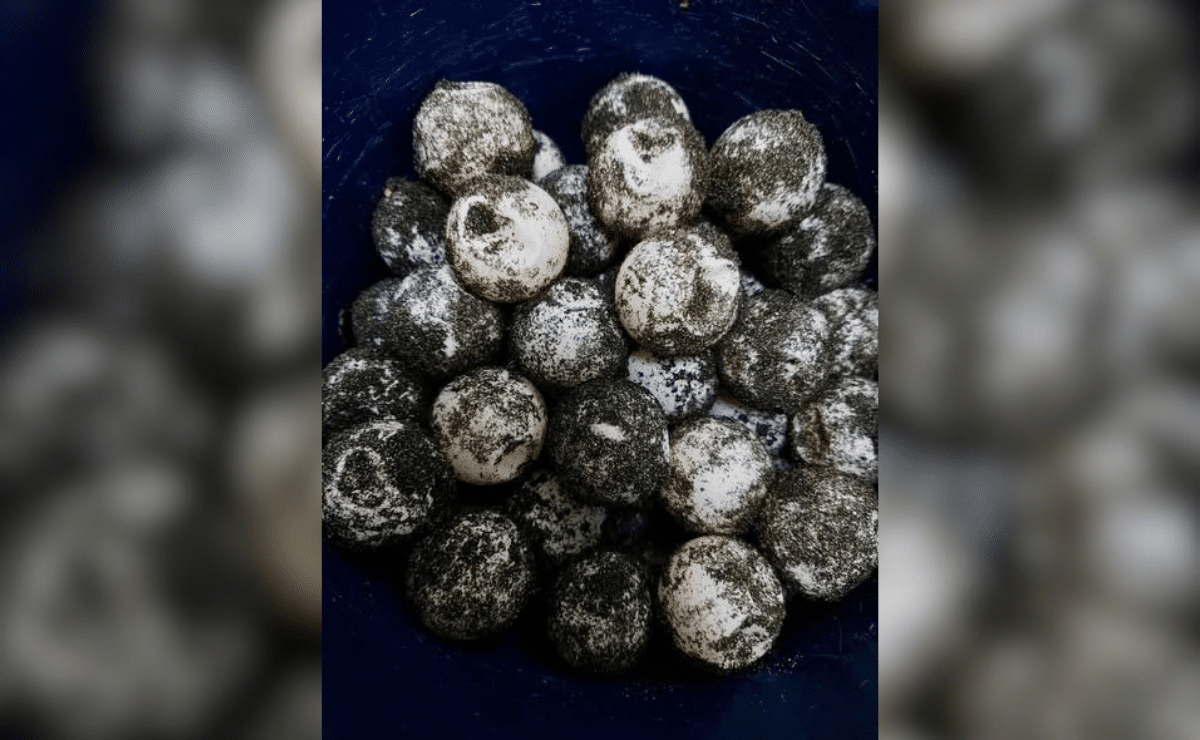
CALASIAO, Pangasinan— Four sea turtle nests holding 435 eggs have been discovered along the shores of the La Union beach towns of San Juan and Bauang since the start of this year’s nesting season in October.
Local fishermen and residents played a key role in protecting the endangered marine animals.
Three nests were found in San Juan, including one laid by an Olive Ridley sea turtle, while another was discovered in Bauang, according to the Coastal Underwater Resource Management Actions (CURMA), a sea turtle conservation protection group.
Article continues after this advertisement
READ: 95 turtle eggs found as Tayabas Bay nesting season starts early
FEATURED STORIES
NEWSINFO
NEWSINFO
NEWSINFO
Fisherman Ronald Abat found the nests in Barangay Tabocbin, San Juan, after spotting turtle tracks at 5:30 a.m. on October 29 as he prepared to set out to sea to fish.
He reported the discovery to Edwin Wayas, president of Bantay Dagat. Together with Peace Corps volunteer Sean Eby, they secured the nest and transferred its 108 eggs to a local hatchery.
The third nest, also found in Barangay Taboc, contained 103 eggs laid by an Olive Ridley turtle, one of the species known to nest along the province’s coastline.
“Fisherman Freddie Noces discovered the turtle at about 4 a.m. on Oct. 23 after he was awakened by loud thudding sounds from the beach. Looking outside, he saw the turtle covering the sand after laying its eggs. Pawikan patroller Johnny Manglugay arrived shortly afterward and collected the eggs for transfer to a hatchery, where they would be protected and monitored,” CURMA said.
Article continues after this advertisement

Authorities fitted the mother turtle with a Philippine identification tag, numbered 1091C, to help conservation workers recognize her if she returns to nest.
The first nest of the season was discovered at about 4 a.m. on Oct. 13 in Barangay Ili Sur, also in San Juan, by a pawikan patroller known as Manong Lando as he returned from a fishing trip. It contained 114 eggs.
Article continues after this advertisement
The second nest, with 110 eggs, was found at about 5 a.m. in Barangay Pudoc by Bauang resident Quintin Abaya, who immediately reported the turtle tracks to Barangay Captain Edgar Beninsig.
The Bauang municipal government, through its Municipal Environment and Natural Resources Office, helped transfer the eggs to a hatchery for protection and monitoring.
The first nest was expected to hatch around Dec. 13, while the second was projected to hatch around Christmas. The third nest is expected to hatch at Christmas, while the last nest eggs will hatch on Dec. 29.
READ: DENR steps up protection of sea turtle nesting sites in Aurora
Your subscription could not be saved. Please try again.
Your subscription has been successful.
The CURMA, which works with local communities and government agencies in sea turtle conservation, credited residents and fishermen for reporting the nests and helping protect the eggs./coa
KioskNews shows a cleaned-up reading view extracted from the publisher’s page — the original always lives on their site, not ours.